.png)
.png)

Fine lines often appear quietly, yet they change how skin looks and feels over time. Many people notice facial wrinkles during everyday activities, such as washing or applying makeup. These changes reflect daily habits, environmental exposures, and natural aging. Skin responds to care choices, which means prevention starts with consistent and mindful routines. Understanding how wrinkles form helps people take practical steps that support smoother, healthier skin.
Face wrinkles develop when the skin loses structure, elasticity, and moisture over time. This process happens due to both internal aging and external exposure. Daily habits and environmental factors gradually weaken the skin’s surface. Understanding these causes helps guide smarter prevention strategies.
Collagen loss reduces the skin’s firmness and makes wrinkles more visible as people age. This protein supports the skin’s structure, keeping it smooth and resilient under normal conditions. Over time, the body produces less collagen, leading to thinner, less flexible skin. Fine lines begin to appear in areas where the skin folds repeatedly during expressions. These lines deepen as elasticity declines and the skin struggles to recover its shape. Genetics and lifestyle choices both influence how quickly collagen breaks down, based on current dermatology research.
Sun exposure accelerates the appearance of facial wrinkles by damaging collagen and elastin fibers beneath the skin. Ultraviolet radiation penetrates the surface and gradually weakens structural proteins. This damage builds even during short periods outside, especially without proper protection. Skin may become dry, uneven, and more prone to visible lines with repeated exposure. Daily sunscreen use helps reduce this damage and supports long-term skin health. Experts from organizations such as the American Academy of Dermatology emphasize sun protection as a primary defense against premature aging.
Repeated facial movements create lines that gradually settle into permanent wrinkles. Expressions like smiling, frowning, and squinting fold the skin in the same areas daily. Younger skin recovers quickly, but aging skin holds these lines longer. Over time, these expression lines deepen and become more noticeable. This pattern explains why wrinkles often appear first around the eyes and mouth. Awareness of these movements helps people reduce unnecessary strain on the skin.
Daily skincare routines help maintain skin hydration, strength, and smoothness. Consistent care supports the skin barrier and reduces visible signs of aging. Simple steps, done regularly, provide better results than occasional treatments. A structured routine helps protect against facial wrinkles and improves overall skin texture.
Gentle cleansing removes dirt and buildup without damaging the skin’s natural barrier. This process keeps pores clear while maintaining essential oils that support hydration. Harsh cleansers can strip moisture, which makes fine lines more visible over time. Clean skin allows moisturizers and treatments to work more effectively. Over-cleansing can lead to dryness and irritation, which weakens the skin’s resilience. Dermatology clinics often recommend mild, pH-balanced cleansers for daily use.
Hydration improves skin elasticity and reduces the appearance of fine lines and wrinkles. Moisturizers help lock in water and strengthen the outer skin layer. Ingredients like hyaluronic acid attract moisture and support a plumper appearance. Well-hydrated skin looks smoother and feels more comfortable throughout the day. Dry skin tends to exaggerate wrinkles, making them appear deeper than they are. Consistent moisturizing supports long-term skin balance and softness.
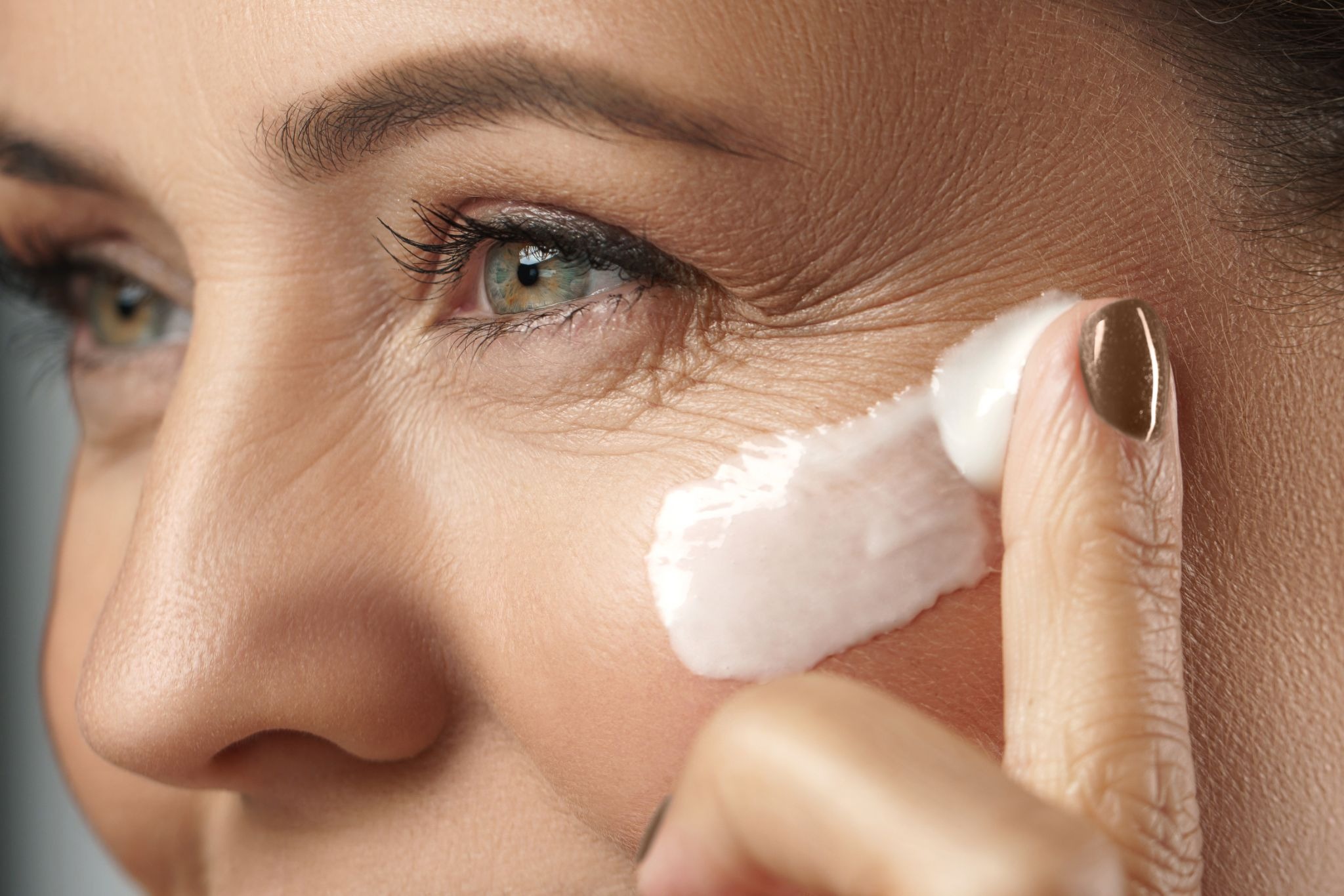
Daily sunscreen use protects the skin from UV damage that leads to premature aging. Broad-spectrum formulas shield against both UVA and UVB rays. Applying sunscreen every morning creates a protective barrier against environmental exposure. Reapplication during the day helps maintain consistent protection, especially outdoors. Regular use helps preserve skin tone and reduces the formation of deeper wrinkles. Skincare studies show that consistent sun protection can slow visible signs of aging over time.
The skin microbiome refers to the natural bacteria that protect and support skin health. This system helps maintain balance, hydration, and resilience against external stress. When disrupted, the skin becomes more prone to dryness and visible aging. Supporting this balance can help reduce the formation of facial wrinkles.
A balanced microbiome strengthens the skin barrier and helps protect against early signs of wrinkling. This system works by maintaining a healthy layer that locks in moisture and blocks irritants. When the barrier weakens, the skin loses hydration and becomes more fragile. This condition makes fine lines appear more noticeable over time. Harsh skincare products and over-cleansing can quickly disrupt this balance. Dermatology research shows that a stable microbiome supports smoother and more resilient skin.
Over-cleansing strips away beneficial bacteria and weakens the skin’s natural defenses. This habit often leads to dryness, irritation, and increased sensitivity. Using too many active ingredients at once can also disrupt the microbiome. This imbalance reduces the skin’s ability to repair itself efficiently. As a result, fine lines can deepen and become more visible. A simplified routine helps maintain balance and supports long-term skin health.
Lifestyle habits influence how the skin repairs itself and maintains elasticity over time. Daily choices affect hydration, collagen production, and overall skin condition. Healthy routines support smoother skin, while harmful habits accelerate the appearance of aging signs. Balanced living promotes stronger and more resilient skin.
A balanced diet supports skin structure and helps reduce visible signs of aging. Nutrients like vitamins C and E help protect the skin from environmental damage. Fruits and vegetables provide antioxidants that support collagen production. High sugar intake may weaken collagen and increase the formation of wrinkles. Drinking enough water keeps the skin hydrated and improves its overall texture. Research from the fields of nutrition and dermatology shows that diet directly affects skin aging.
Sleep allows the skin to repair itself and recover from daily stress and exposure. During rest, the body increases blood flow to the skin, supporting regeneration. Lack of sleep can lead to dullness and more noticeable fine lines. Skin may appear thinner and less refreshed without proper rest. Maintaining a consistent sleep schedule supports natural repair processes. Well-rested skin often looks smoother and more even in tone.
Stress affects skin condition by triggering hormonal changes that weaken its structure. These changes can reduce the skin’s ability to repair and retain moisture. Chronic stress may lead to dryness and deeper visible lines over time. This impact becomes more noticeable when stress remains unmanaged for long periods. Relaxation techniques such as exercise or mindfulness can help reduce these effects. Balanced mental health supports clearer and healthier-looking skin.
Facial tension contributes to wrinkles by repeatedly straining specific muscle groups. Many people hold tension without noticing, especially in the forehead and jaw. Over time, this habit leaves visible lines that become permanent. Reducing tension helps limit the development of facial wrinkles.
Unconscious facial movements create patterns that gradually form wrinkles. This behavior includes furrowing the brows or tightening the jaw during stress. These repeated actions crease the skin in the same areas each day. This repetition makes it harder for the skin to return to its original state. Over time, these lines settle into deeper wrinkles. Increased awareness helps reduce these habits and protect the skin.
Facial relaxation reduces muscle strain and helps prevent the deepening of wrinkles. This practice involves becoming aware of tension and releasing it throughout the day. Simple actions like relaxing the forehead or unclenching the jaw can make a difference. This awareness supports smoother skin by reducing repeated creasing. Over time, relaxed muscles help maintain a softer and more even appearance. Consistent practice improves both comfort and long-term skin condition.
Treatments help improve skin texture and reduce visible wrinkles when used in combination with daily care. Modern options range from topical products to professional procedures. These approaches target collagen production and skin renewal. Choosing the right treatment depends on individual skin needs and goals.
Anti-aging ingredients support smoother skin by improving texture and boosting collagen production. Retinoids increase cell turnover, which helps reduce fine lines over time. Vitamin C brightens the skin and supports collagen synthesis. Peptides strengthen the skin and improve elasticity with consistent use. Antioxidants protect against environmental damage that contributes to wrinkles. Dermatology research supports these ingredients as effective options for long-term skin care.
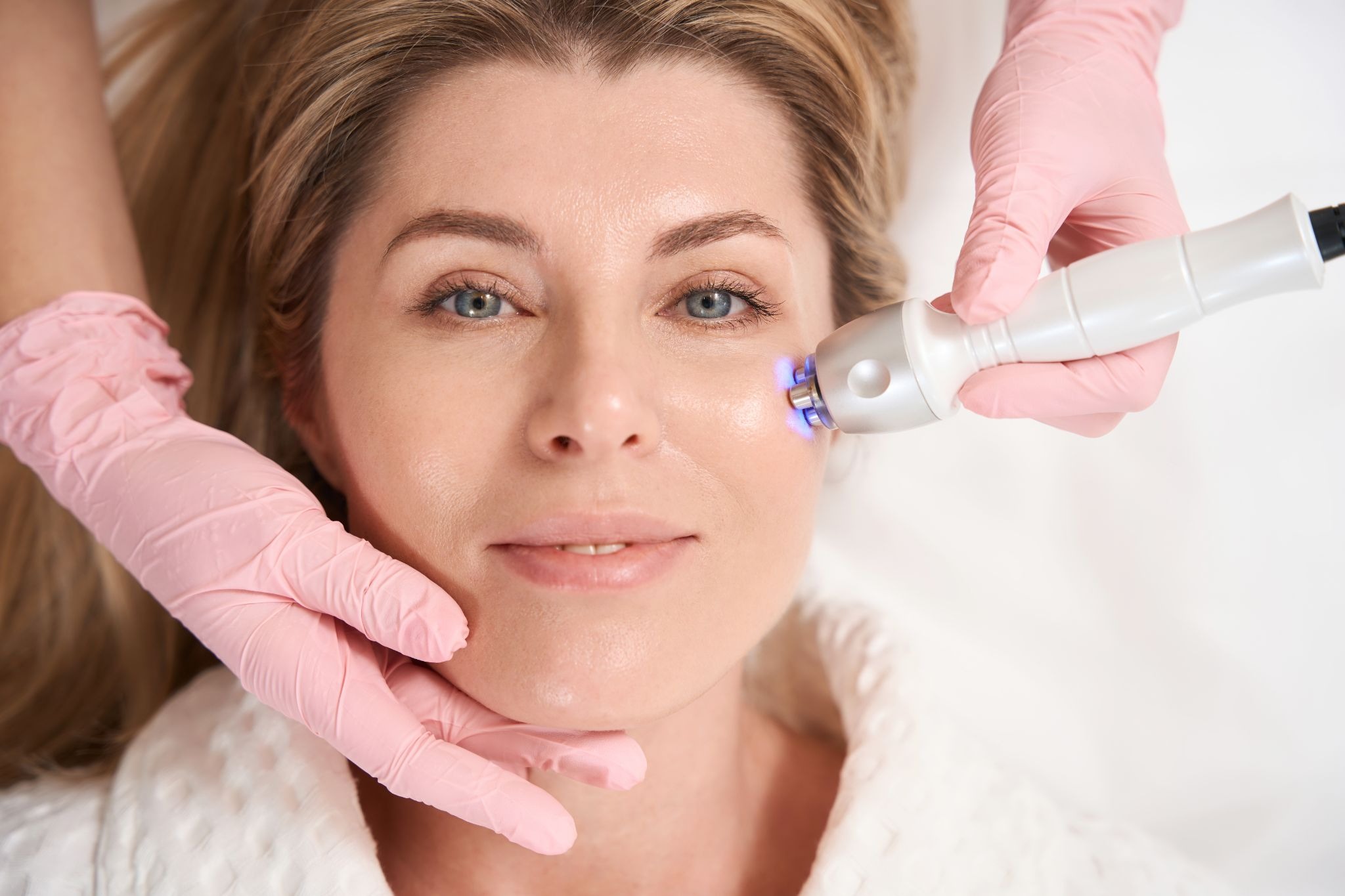
Non-invasive treatments improve skin appearance without surgery or long recovery periods. Procedures like chemical peels remove dead skin cells and promote renewal. Microneedling stimulates collagen production by creating controlled micro-injuries in the skin. Laser treatments target deeper layers to improve tone and texture. These options often require guidance from licensed professionals for safe results. Clinics report steady improvements in skin smoothness with consistent treatment sessions.
A consistent skincare routine supports long-term results and prevents unnecessary irritation. This approach focuses on using suitable products for specific skin needs. Introducing products gradually helps the skin adjust without stress or damage. Overuse of strong ingredients can weaken the skin barrier and increase sensitivity. Consistency matters more than using many products at once. A simple and balanced routine supports steady improvement over time.
Certain habits speed up skin aging and make wrinkles more noticeable over time. These behaviors often go unnoticed but create lasting effects on skin health. Avoiding these habits helps preserve smoothness and elasticity. Awareness leads to better daily choices that support healthier skin.
Smoking damages the skin by reducing oxygen flow and breaking down collagen. This effect weakens the skin’s structure, leading to deeper wrinkles. Toxins from smoke also cause dullness and uneven skin tone. Repeated exposure accelerates visible aging, especially around the mouth area. Skin may lose its natural glow and firmness over time. Health experts widely link smoking to faster skin aging and reduced elasticity.
Alcohol dehydrates the body and reduces skin moisture. This effect makes fine lines and wrinkles more visible over time. Frequent alcohol use may also interfere with nutrient absorption needed for skin repair. Skin often appears tired and uneven when hydration levels drop. Limiting intake helps maintain better moisture balance and skin texture. Proper hydration supports a smoother and more refreshed appearance.
Poor skincare habits weaken the skin barrier, increasing the risk of visible wrinkles. This behavior includes skipping sunscreen, over-exfoliating, or using harsh products too often. Inconsistent routines prevent the skin from maintaining proper hydration and balance. Using unsuitable products can trigger irritation, which makes fine lines appear more pronounced. This pattern often leads to dryness, sensitivity, and uneven texture over time. Choosing gentle, consistent care supports stronger and healthier-looking skin.
Lasting skin change comes from steady habits, not occasional effort or quick fixes. Face wrinkles respond to how you treat your skin every single day. This commitment includes small choices like sun protection, proper hydration, and mindful routines. Skincare professionals can also guide you with treatments and routines tailored to your skin’s needs. Start refining your habits today, and your skin will reflect those choices in the years ahead.
Visit the Naples Laser & Skin Aesthetics blog for trusted advice and treatment options that help you care for your skin with confidence.
%402x.svg)