.png)
.png)
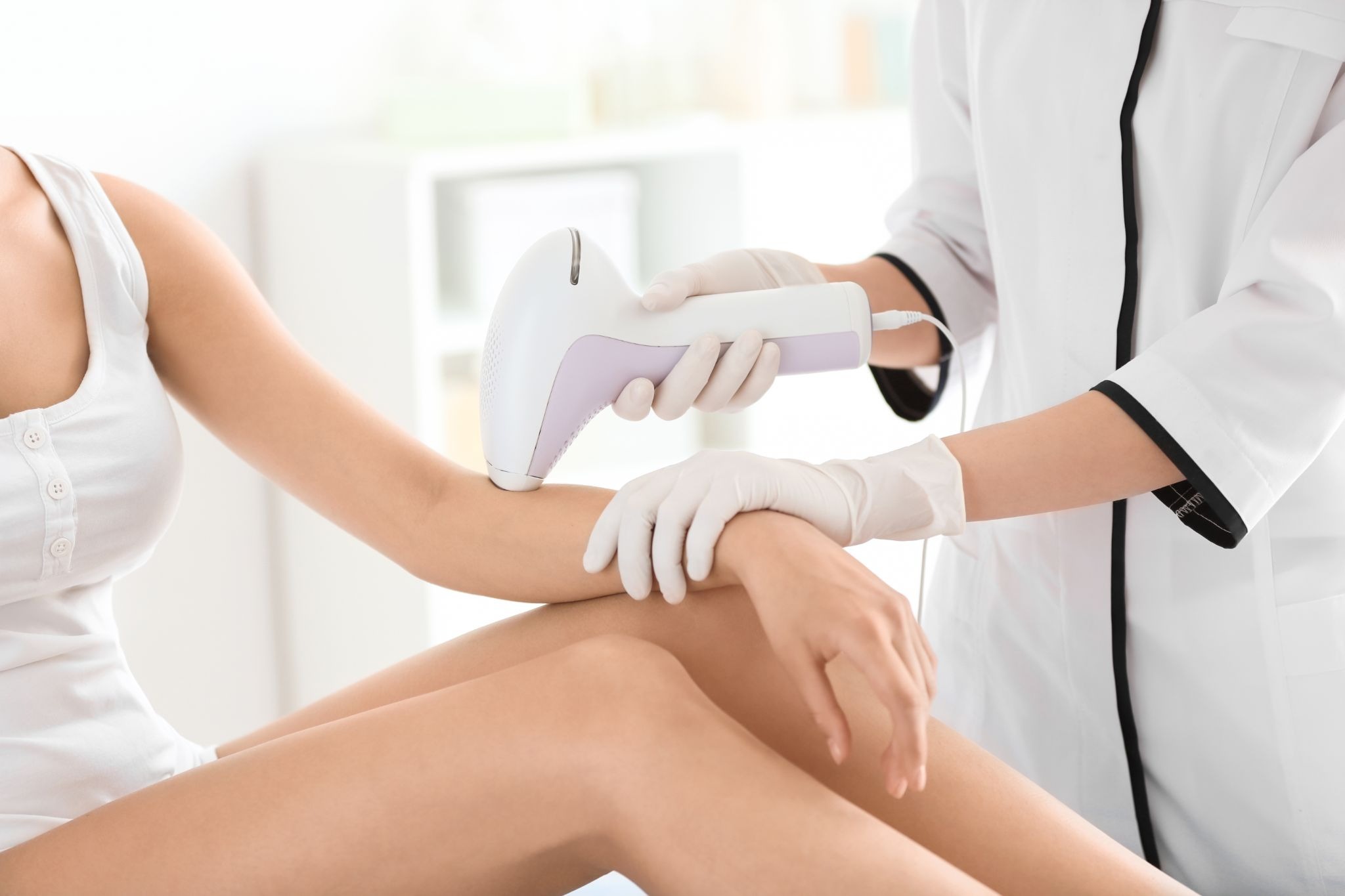
Hair removal routines often take time but offer only short-term results. Many people seek longer-lasting smoothness through laser treatments. However, treatment success depends greatly on proper preparation before the appointment. Skin condition, hair growth cycles, and daily habits all influence the treatment outcome. Knowing how to prepare for laser hair removal helps clients approach each session with confidence and realistic expectations.
Laser hair removal targets pigment within hair follicles using concentrated light energy. The light converts to heat, weakening follicles and slowing future hair growth. This treatment process works gradually because hair grows in several natural cycles. Understanding how the technology works helps clients prepare their skin correctly before treatment.
Laser hair removal works by sending controlled light pulses into pigmented hair follicles beneath the skin. The follicle absorbs the light energy, which converts into heat and weakens the root structure. This process slows the follicle's ability to grow new hair over time. Because hair grows in cycles, the laser affects follicles during their active growth stage. Clinics schedule multiple sessions so the laser can treat new follicles entering that phase. Based on recent dermatology clinic data, most clients notice thinner regrowth after several sessions.
Laser hair removal works best when hair pigment contrasts clearly with the surrounding skin tone. Darker hair absorbs laser light more readily, helping the device locate follicles more quickly. Modern laser systems can safely treat a wider range of skin tones when appropriately adjusted. A trained technician evaluates hair color, skin tone, and treatment area during consultation. This consultation process helps determine how many sessions a client may need. An honest discussion of health history also helps providers deliver safe, personalized treatments.
Preparation improves the laser's ability to reach each follicle during treatment. Clean, calm skin allows the laser beam to travel directly to the hair root. Product buildup, irritation, or tanning may block or scatter laser energy. This preparation step reduces the chance of burns or uneven pigmentation. Many clinics share preparation guidelines several weeks before the first session. Following those instructions helps the treatment deliver more consistent results across appointments.
Skin preparation supports safe and effective laser hair removal treatments. Clinics usually recommend several adjustments to skincare routines before appointments. These adjustments help the laser target follicles without unnecessary irritation. Careful skin preparation also improves comfort during treatment sessions.
Sun exposure increases skin pigmentation, which affects how the laser interacts with the treatment area. Tanned skin absorbs more light energy and may be more prone to irritation during treatment. Clinics, therefore, advise limiting direct sun exposure before laser hair removal sessions. Indoor tanning beds create the same pigmentation change and should also be avoided. If outdoor activity becomes unavoidable, apply a broad-spectrum sunscreen consistently. Protective clothing also shields treatment areas from ultraviolet radiation.
Waxing and plucking remove hair directly from the follicle beneath the skin surface. Laser hair removal requires intact follicles because the device targets pigment inside them. Removing hair roots prevents the laser from properly detecting the follicle. Clinics generally advise stopping waxing, threading, or epilating several weeks beforehand. This preparation period allows follicles to grow back within the skin. Maintaining the follicle structure helps the laser reach its intended target.
Shaving prepares the treatment area by keeping the follicle intact beneath the skin. Long hair above the skin may absorb laser heat and cause surface irritation. Most clinics recommend shaving the treatment area about twenty-four hours before the appointment. This timing allows minor shaving irritation to settle before the session begins. Use a clean razor and gentle strokes to prevent small cuts. Proper shaving improves both treatment comfort and laser accuracy.
Strong skincare products may increase skin sensitivity before laser treatment. Ingredients such as retinoids, exfoliating acids, and chemical peels can irritate the skin. Sensitive skin may react more strongly to the laser's heat during treatment. Clinics often recommend pausing these products several days before appointments. Mild cleansers and simple moisturizers usually remain safe alternatives. Calm skin allows the laser device to work more predictably during each session.
Lifestyle habits influence how skin reacts during laser hair removal sessions. Healthy routines help maintain stable skin conditions before treatment appointments. These habits also reduce the chance of irritation or delayed healing afterward. Preparing the body supports laser treatment outcomes beyond simple skincare.
Certain medications increase skin sensitivity to light and heat exposure. Antibiotics, acne treatments, and some herbal supplements may create photosensitivity. Photosensitive skin reacts more strongly to laser light during treatment. Clinics, therefore, ask clients to review their medications before scheduling sessions. This medical review helps providers adjust laser settings when necessary. Accurate information allows the treatment to proceed safely and comfortably.
Clean skin allows the laser device to target follicles without interference from surface products. Oils, deodorants, lotions, or perfumes can block or reflect laser light. This surface buildup may reduce treatment precision during the session. Clinics, therefore, ask clients to cleanse the treatment area before arriving. Gentle soap and lukewarm water usually provide sufficient preparation. Fresh skin improves both comfort and laser accuracy.
Loose clothing helps protect sensitive skin after laser hair removal sessions. Treated areas may feel warm or slightly tender for several hours. Tight fabrics can rub against the skin, increasing irritation. Soft fabrics, such as cotton, reduce friction in the treatment area. Comfortable clothing also allows technicians easier access during the procedure. This small preparation step helps clients remain comfortable throughout the visit.
Laser hair removal appointments follow a structured and controlled clinical process. Technicians prepare the skin and adjust the device according to hair type and skin tone. Most sessions take only a short time, depending on the treatment area. Understanding the procedure helps clients feel prepared before arriving at the clinic.
Morning preparation keeps the treatment area clean and ready for laser application. Wash the skin gently using mild soap and lukewarm water. Avoid applying lotions, deodorants, cosmetics, or fragrances afterward. These products may interfere with the laser device during treatment. Wear loose clothing that allows the provider easy access to the area. Simple preparation helps the appointment begin smoothly and efficiently.
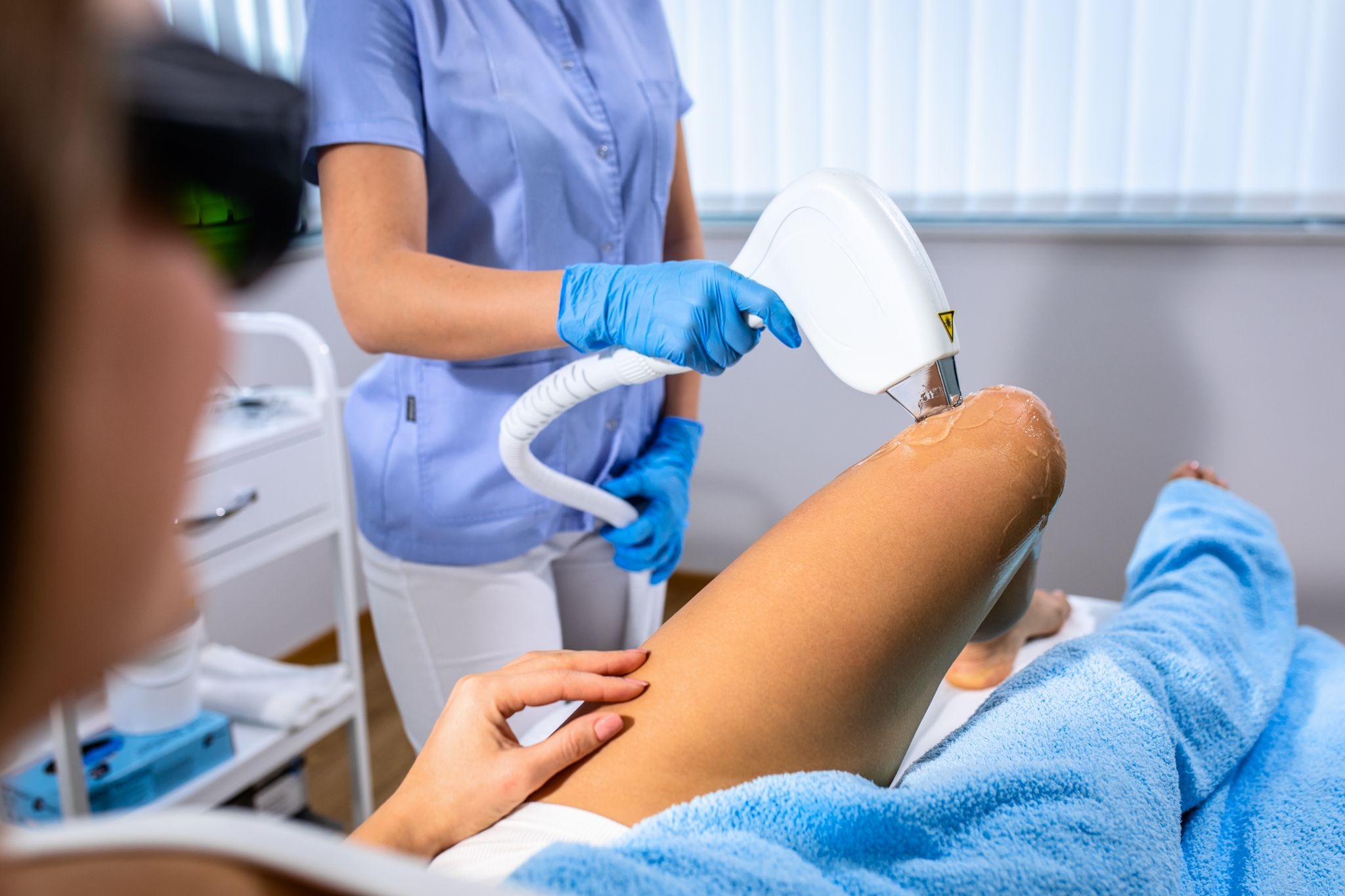
During treatment, the technician positions a handheld laser device over the selected area. Protective eyewear shields both the client and provider from bright laser light. The device releases quick pulses of energy toward hair follicles beneath the skin. Many modern systems include cooling features that protect surrounding skin tissue. Small treatment areas may take only a few minutes to complete. Larger areas, such as legs or backs, require longer sessions.
Laser pulses create a brief sensation that many clients describe as a light snap. Cooling systems or soothing gel reduce discomfort during the session. Sensitivity levels vary depending on the treatment area and hair density. Most clients tolerate the procedure without strong numbing products. Technicians monitor skin response carefully during each pulse. Open communication helps adjust device settings for greater comfort.
Mild redness or warmth often appears immediately after laser hair removal sessions. This skin reaction usually fades within several hours. Some follicles may appear slightly raised as the body responds to heat energy. Cooling gel or cold compresses help calm the skin quickly. Technicians often apply soothing lotion before clients leave the clinic. This immediate response indicates that the laser reached the hair follicles.
Aftercare protects the skin while the treated follicles gradually weaken. Proper care also prepares the skin for future treatment sessions. Clinics often provide aftercare instructions in line with dermatology guidelines. Following those recommendations helps maintain smooth and healthy skin.
Treated skin becomes more sensitive to heat immediately after laser sessions. Hot showers, steam rooms, and intense exercise may temporarily increase redness. Clinics usually advise avoiding these activities for at least one day. Sun exposure may also cause pigmentation changes on treated skin. Apply sunscreen regularly when the treatment area remains exposed outdoors. Protective clothing provides an additional layer of protection during recovery.
Hair shedding occurs gradually after laser hair removal sessions. Treated follicles release weakened hair strands during the following days. This shedding phase may resemble new growth at first glance. However, the strands often slide out gently when touched. Avoid pulling them forcefully, as this may irritate. Gentle exfoliation after several days may help remove loose hairs naturally.
Laser hair removal works gradually across several scheduled sessions. Hair grows in cycles, and each appointment targets follicles during the active growth phase. Missing appointments may allow untreated follicles to recover between sessions. Clinics usually recommend spacing treatments several weeks apart. Over time, hair becomes finer and less noticeable. Consistent scheduling leads to smoother skin with longer-lasting results.
Preparing for laser hair removal shapes the effectiveness of each treatment session. When you follow proper skin care and timing guidelines, the laser can target follicles more effectively. Clinics often observe smoother outcomes when clients arrive with clean skin and stable hair growth cycles. If lasting hair reduction sounds appealing, start preparing your skin for laser hair removal and schedule a consultation with a trusted skin specialist.
Looking for trusted skin care insights and treatment guidance? Visit the Naples Laser & Skin Aesthetics blog for expert tips, practical advice, and the latest updates on advanced aesthetic treatments.
%402x.svg)