.png)
.png)
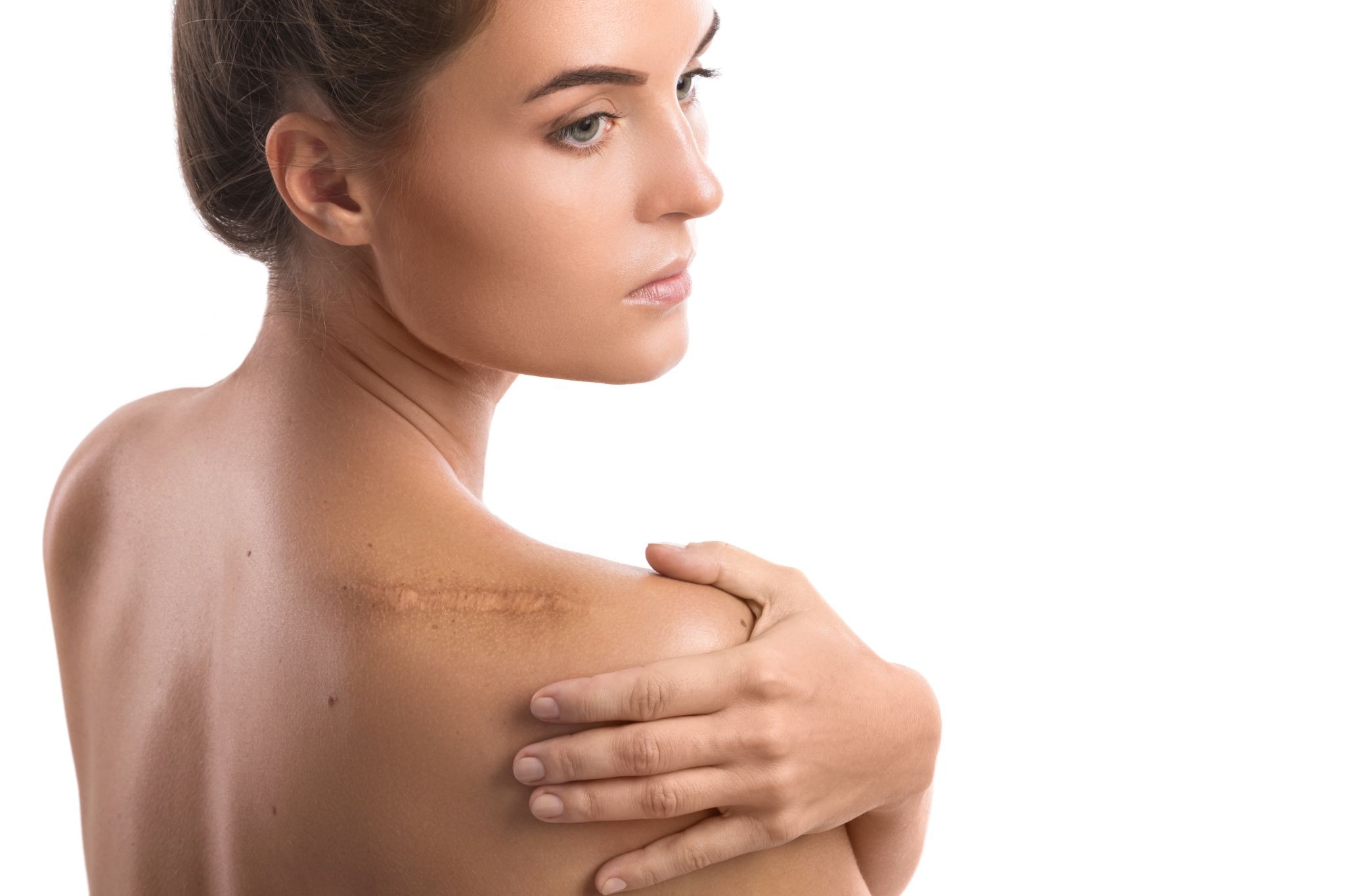
Scars can remain visible long after the skin has healed. Some fade naturally with time, while others remain raised, discolored, or uneven. That often leaves people searching for reliable ways to improve their skin's appearance. Although scars rarely disappear completely, many treatments can make them far less noticeable. The best results usually come from understanding the type of scar and choosing the right treatment strategy.
Every scar begins as part of the body's healing process. When skin becomes damaged, the body immediately starts repairing the area. New collagen forms to close the wound and rebuild tissue. The way this collagen develops largely determines how visible the scar becomes later.
The healing process starts within moments of an injury. Blood clotting helps protect the wound from infection and further damage. Soon afterward, the body begins producing collagen and new tissue. This collagen provides structure while the skin repairs itself. Even after the wound closes, the skin continues remodeling for months. That ongoing process influences the scar's final appearance. Some scars fade significantly during this stage, while others remain more noticeable.
Different scars develop for different reasons. Flat scars often become less visible as they mature. Hypertrophic scars appear raised but remain within the original wound area. Keloid scars extend beyond the injury site and can continue to grow. Acne scars usually create uneven skin texture or depressions. Burn scars may tighten nearby tissue and affect movement. Understanding the type of scar helps identify the most effective treatment options.
Not every scar heals the same way. Some become barely noticeable, while others remain visible for years. Several factors influence the healing process and the appearance of scars. Understanding these factors helps set realistic expectations for treatment outcomes.
Several personal factors affect how scars develop. Age influences how quickly the skin repairs itself after damage. Younger skin often produces more collagen during the healing process. Genetics also affects how the body responds to injury. Some people naturally develop thicker scars than others. Skin tone can influence how much discoloration remains after healing. These factors help explain why scar outcomes vary so widely.
The way a wound heals affects the scar that follows. Proper care supports healthy tissue repair from the beginning. Keeping the area clean helps reduce complications. Moisture can also support better healing conditions. Picking at scabs often interrupts the repair process. Repeated irritation may increase inflammation and worsen scarring. Protecting healing skin gives it the best chance to recover well.
Most scars do not disappear entirely. However, many become much less noticeable with treatment. Modern options can improve texture, color, and thickness. Understanding what treatment can realistically achieve helps set appropriate expectations.
Scar treatments focus on improvement rather than complete removal. Raised scars often become flatter over time. Discoloration may fade and blend better with the surrounding skin. Some treatments help smooth uneven texture. Results usually appear gradually rather than immediately. Several treatment sessions may be necessary for greater improvement. Patience often becomes part of the process.
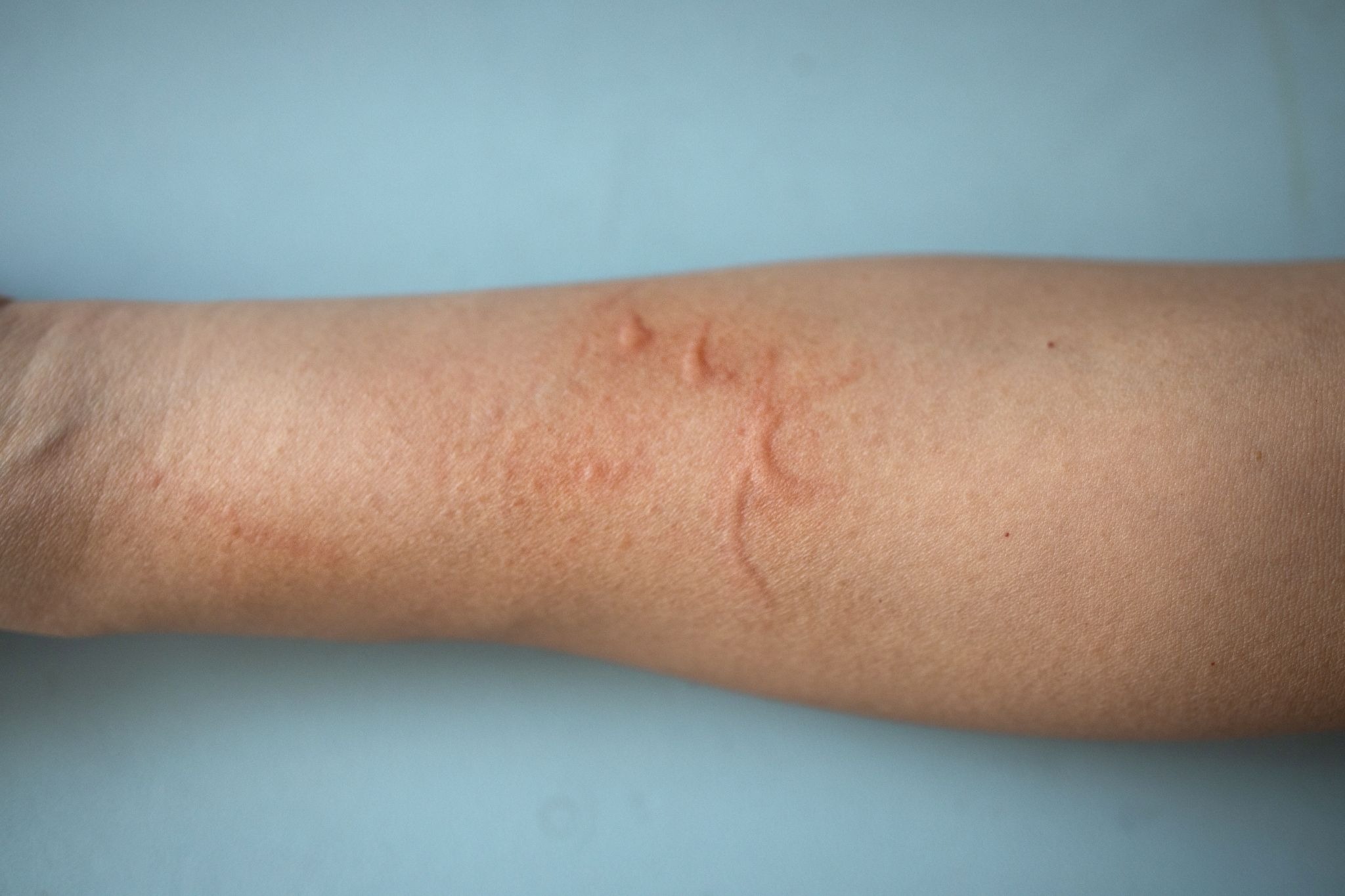
Early treatment often produces better results. Fresh scars generally respond more effectively to many therapies. That does not mean older scars cannot improve. Many long-standing scars still respond to treatment. The difference is that progress may take longer. A dermatologist can recommend the most suitable timing. Acting sooner often creates more treatment opportunities.
Many people begin scar care at home. Home treatments are accessible and usually affordable. While they rarely remove scars completely, they can support improvement. Consistency often matters more than trying multiple products.
Silicone remains one of the most recommended scar treatments. It helps maintain moisture within scar tissue. This hydration can soften and flatten raised scars. Many users also notice reduced redness over time. Results usually appear after several weeks of regular use. Continued application often produces better outcomes. Dermatologists frequently recommend silicone as a first step.
Healthy skin benefits from regular hydration. Moisturizers help reduce dryness and discomfort around scars. A gentle massage may soften thickened scar tissue. It can also improve flexibility in tighter areas. Pressure should remain light during massage. Excessive rubbing may irritate healing skin instead. Small improvements often develop through daily care.
Natural remedies remain popular among people seeking simple solutions. Aloe vera may soothe irritated skin. Coconut oil can improve hydration and comfort. Vitamin E is another commonly used option. However, research supporting these remedies remains limited. Most natural treatments provide supportive benefits rather than dramatic changes. Proven therapies usually offer more predictable results.
Some scars need more than home care alone. Professional treatments offer stronger options for stubborn concerns. Dermatologists tailor treatments based on scar type and severity. Combining treatments often produces the most noticeable improvements.
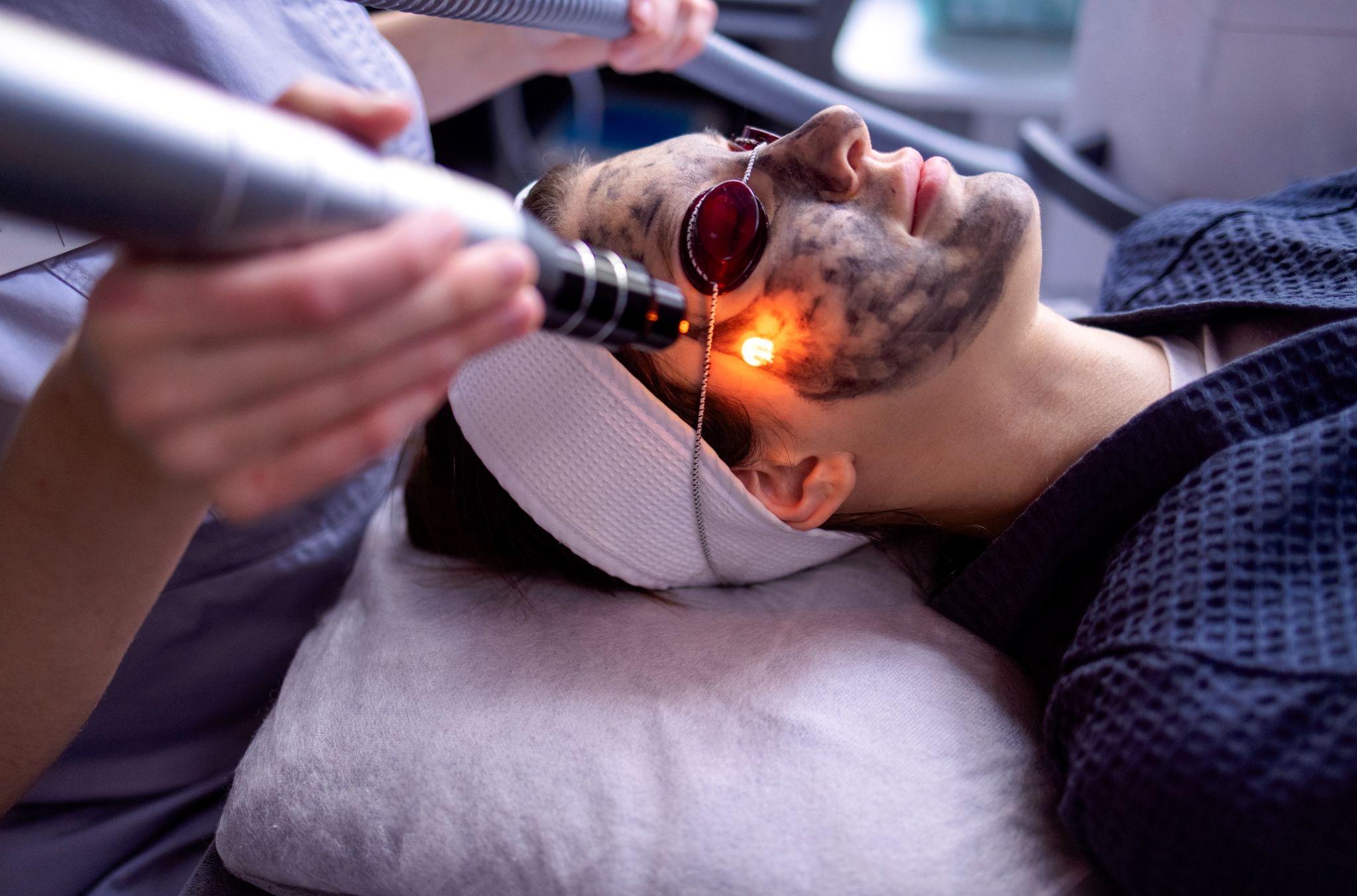
Laser therapy targets specific layers within the skin. Some lasers reduce redness and discoloration. Others stimulate collagen production beneath the surface. Most treatment plans involve several sessions. Results develop gradually as the skin heals. Recovery time depends on the type of laser used. Many patients notice smoother skin after treatment.
Microneedling creates tiny controlled injuries in the skin. These stimulate the body's natural repair process. New collagen develops as the skin heals, which can improve texture and reduce unevenness. Microneedling works especially well for certain acne scars. Several sessions often provide the best results. Improvement continues between treatments.
Raised scars often respond well to steroid injections. These treatments reduce excess collagen production. Over time, the scar may become flatter and softer. Multiple sessions are often required. Some patients combine injections with laser therapy. This approach can improve stubborn keloids. A dermatologist can determine the ideal treatment plan.
Chemical peels help improve the appearance of certain scars by removing damaged outer layers of the skin. As the skin renews itself, texture and tone often become more even. This treatment can be especially helpful for mild acne scars and discoloration left behind by previous breakouts. Different peel strengths address different concerns, underscoring the importance of professional evaluation. Several sessions may be recommended for noticeable improvement.
Many people want quick results from scar treatment. Unfortunately, scar improvement takes time. Skin continues to remodel itself throughout the healing process. Understanding treatment timelines helps create realistic expectations.
Silicone products may show improvement within several weeks. Microneedling often requires multiple treatment sessions. Laser therapy may take several months for full results. Raised scars can continue improving over time. Acne scar treatments usually produce gradual changes. Skin remodeling remains an ongoing process. Consistency often leads to better outcomes.
Several factors influence treatment success. Scar age often affects the rate of improvement. Newer scars generally respond more efficiently. Skin type can also influence healing speed. Lifestyle habits may affect treatment outcomes. Smoking can slow tissue repair and recovery. Every person heals differently.
Many people unintentionally make scars more noticeable. Small habits can affect long-term healing. Avoiding common mistakes supports better results. Prevention often works better than correction.
Picking at wounds interrupts the healing process. It can increase inflammation within the affected area. This extra irritation may worsen scar formation. Scratching may also introduce bacteria into the skin. Infection creates additional healing challenges. Allowing wounds to heal naturally reduces unnecessary damage. Patience often leads to better cosmetic outcomes.
Sun exposure can darken healing scars. This discoloration may remain visible for months. Daily sunscreen helps protect vulnerable skin. Protective clothing provides additional coverage outdoors. Consistent sun protection supports more even healing. It can also help preserve treatment results. This simple habit benefits both new and old scars.
People researching scar treatments often ask similar questions. Clear answers help people make informed decisions. Understanding the facts prevents unrealistic expectations. It also helps identify suitable treatment options.
Most scars remain visible to some degree. Modern treatments can significantly reduce their appearance. Texture and color often improve with treatment. Some scars respond better than others. Early treatment may improve the outcome. Complete removal remains uncommon. Improvement remains the primary goal.
There is no single answer for every scar. Results depend on the type and severity of the scar. Laser therapy often produces noticeable improvements. Steroid injections work well for raised scars. Microneedling benefits many acne scars. Treatment selection matters more than speed alone. Professional guidance can help determine the best option.
Older scars can still respond to treatment. Improvement may take longer than with newer scars. Laser therapy often improves texture and color. Microneedling may also produce visible benefits. Results depend on the scar's characteristics. Professional assessment helps determine realistic expectations. Many older scars become less noticeable with treatment.
Scar improvement often comes from steady effort rather than quick fixes. The treatments and habits you choose today can influence how your skin looks months from now. Staying consistent with proven scar care methods gives your skin the support it needs to heal and improve over time. If a scar continues to concern you, exploring the right treatment options now may help you achieve smoother, healthier-looking skin sooner.
Looking for more than quick skincare tips? Visit the Naples Laser & Skin Aesthetics blog for expert insights, treatment guidance, and practical information to help you make confident decisions about your skin.
%402x.svg)