.png)
.png)
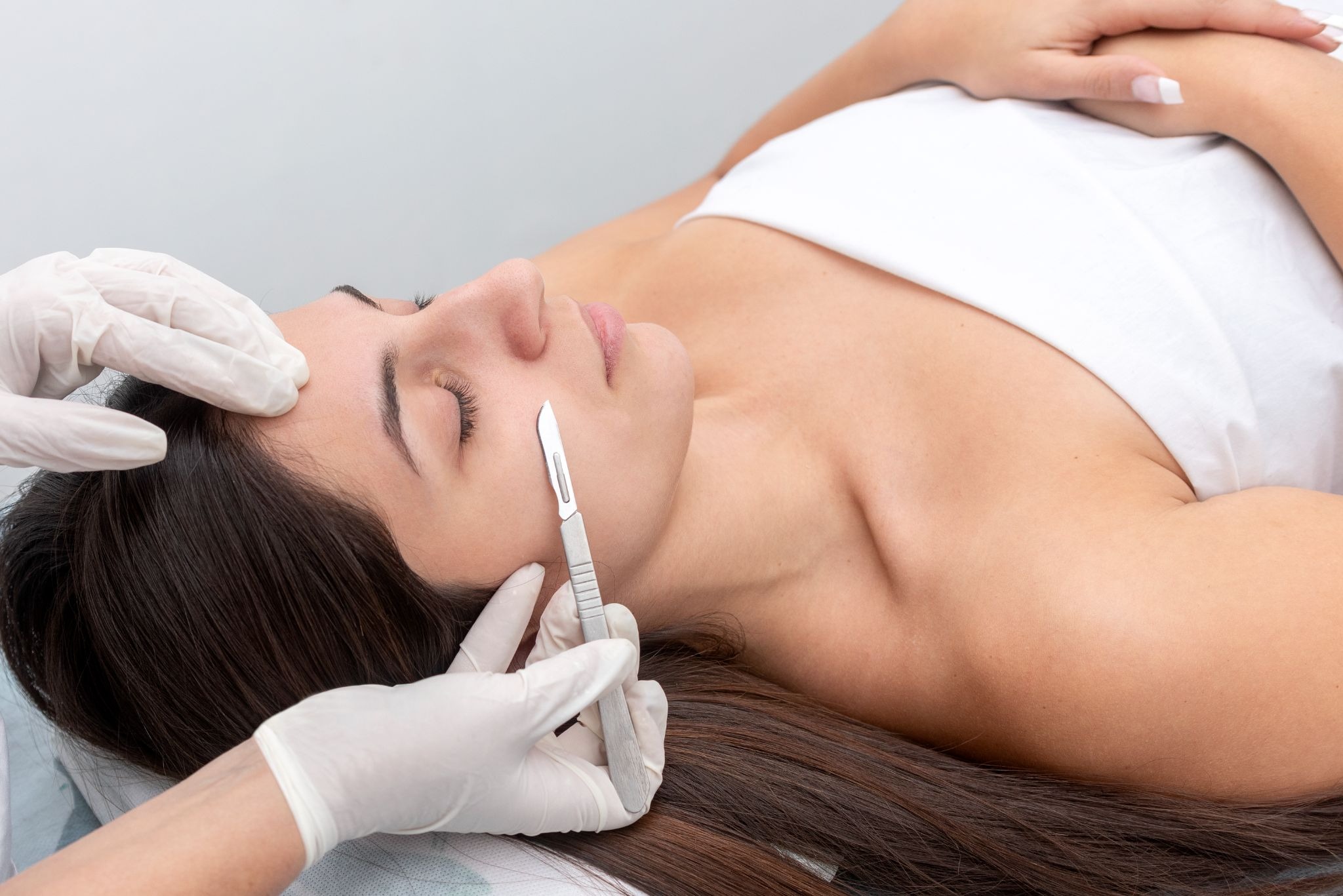
Dermaplaning has become a popular skincare treatment for those seeking smoother skin and a brighter complexion. Many people enjoy the immediate results, but questions often arise about how frequently the treatment should be performed. Finding the right schedule matters because skin needs time to complete its natural renewal process. Exfoliating too much can irritate the skin, while waiting too long may reduce its benefits. Understanding the ideal timing helps you maintain healthy skin and enjoy consistent results without unnecessary setbacks.
Dermaplaning removes dead skin cells and fine facial hair using a sterile blade. The treatment creates a smoother skin surface and improves overall skin texture. Many people choose dermaplaning because it delivers visible results immediately after a session. It also allows skincare products and makeup to sit more evenly on the skin.
A trained professional gently glides a specialized blade across the skin. The blade removes accumulated dead skin cells from the outer layer. It also removes fine vellus hair, often called peach fuzz. The process is painless for most people and usually takes less than an hour. Many clients notice brighter and softer skin immediately after treatment.
People often seek dermaplaning to improve dull or uneven skin. The treatment creates a smoother surface that reflects light better. Makeup tends to apply more evenly after a session. Some individuals also enjoy how their skincare products absorb more effectively. These benefits make dermaplaning attractive for both skincare beginners and enthusiasts.
Skin naturally sheds old cells and replaces them with new ones. This cycle influences how often dermaplaning should occur. Performing treatments too closely together can interrupt healthy skin recovery. Understanding the renewal process helps create a schedule that supports long-term skin health.
Most adults experience a skin renewal cycle of about four weeks. Younger skin often renews itself slightly faster. Aging and environmental factors can slow this process over time. Dead skin cells gradually accumulate during the cycle. Dermaplaning works best when timed with this natural rhythm.
Freshly exfoliated skin needs time to rebuild its protective barrier. Frequent treatments can leave skin feeling sensitive or irritated. Recovery periods allow healthy cells to mature properly. This balance supports stronger and healthier-looking skin. Respecting recovery time helps maintain the benefits of each session.
Most skincare professionals recommend dermaplaning every three to four weeks. This timing aligns with the natural skin renewal cycle. Regular treatments help maintain smoothness without over-exfoliating the skin. However, individual factors may influence the ideal schedule.
A monthly treatment works well for many individuals. Four weeks usually provides enough time for skin regeneration. This schedule also allows dead skin cells to accumulate naturally. Regular monthly sessions can maintain consistent results. Many skincare providers use this timeframe as a starting recommendation.
Some people benefit from extending treatments to six weeks. Sensitive skin may require additional recovery time between sessions. Individuals using active skincare ingredients should also proceed carefully. Longer intervals reduce the risk of irritation and redness. A customized approach often produces better long-term outcomes.

Several personal factors determine how often dermaplaning should occur. Skin type, age, and lifestyle all affect skin renewal. Current skincare habits also play an important role. Understanding these influences can help you create a schedule that fits your needs.
Sensitive skin typically reacts more strongly to exfoliation. People with this skin type often need longer breaks between treatments. Oily skin may tolerate dermaplaning more frequently. Normal skin usually adapts well to monthly sessions. Paying attention to skin responses helps guide future appointments.
Younger skin generally renews itself faster than mature skin. As people age, cell turnover gradually slows down. Older adults may notice benefits from carefully timed treatments. Skin recovery can also take longer with age. Professional guidance can help determine the most suitable schedule.
Sun exposure, pollution, and stress affect skin health. These factors can influence how quickly dead skin accumulates. People who spend significant time outdoors may notice texture changes sooner. Lifestyle habits often affect overall skin recovery. Consistent skincare practices support better treatment results.
Many people focus on the calendar when planning dermaplaning sessions. The condition of the skin barrier often provides better guidance. Healthy skin can recover efficiently after exfoliation and maintain its protective functions. When the barrier becomes compromised, even properly spaced treatments may cause unwanted reactions.
The skin barrier acts as the body's first line of defense. It helps retain moisture while blocking environmental irritants. Dermaplaning removes surface buildup but also temporarily stresses the outermost layer of skin. A strong barrier typically recovers without difficulty after treatment. A weakened barrier may struggle to restore balance, leading to discomfort and visible irritation. Paying attention to barrier health often produces better results than following a fixed treatment schedule.
Skin usually communicates when it requires additional healing time. Persistent tightness may indicate that the barrier has not fully recovered. Increased sensitivity to skincare products can also signal underlying stress. Some people notice redness that lasts longer than expected after treatment. Others experience dryness despite regularly using moisturizing products. These signs suggest that delaying the next session may benefit overall skin health.
A balanced skincare routine helps the skin recover more effectively. Gentle cleansers can reduce unnecessary irritation during the recovery period. Moisturizers containing ceramides and hydrating ingredients help reinforce the skin's protective layer. Daily sunscreen use also supports barrier function by limiting environmental damage. Consistent care allows the skin to maintain resilience between appointments. Strong barrier health often leads to smoother results and fewer complications over time.
Skin does not behave the same way throughout the year. Environmental conditions constantly influence hydration, oil production, and sensitivity levels. These changes can affect how often dermaplaning feels comfortable and effective. Adjusting treatment frequency based on seasonal conditions often yields better long-term results.
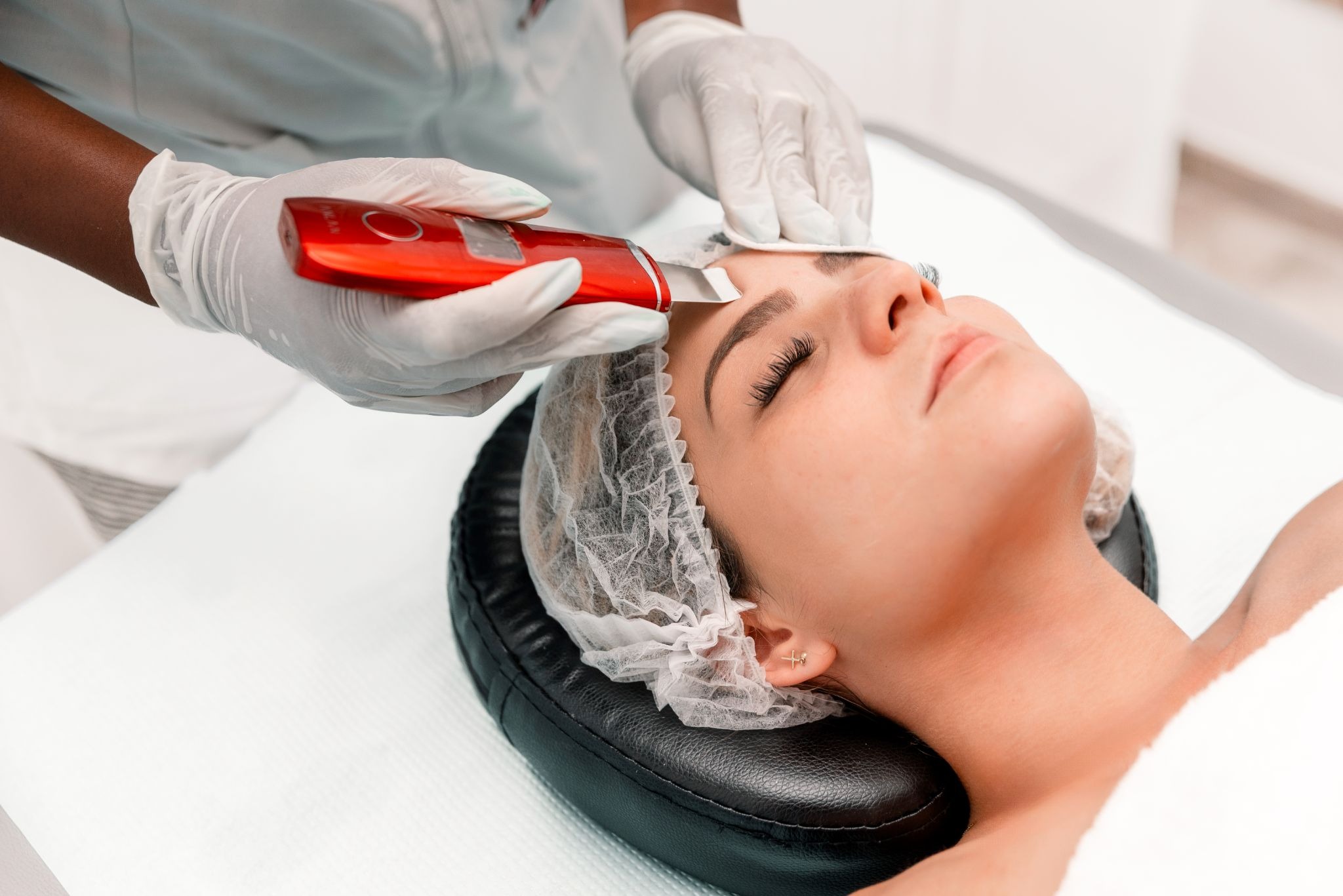
Cold weather often reduces skin moisture levels. Indoor heating can make dryness even more noticeable. Skin may become more sensitive and require additional recovery time after exfoliation. Some people benefit from extending treatment intervals during colder seasons. Allowing extra time between sessions can help prevent excessive dryness and irritation. A stronger focus on hydration also supports healthier recovery.
Warmer temperatures can increase sweat and oil production. Dead skin cells may accumulate more quickly for some individuals. Many people notice their skin feeling rougher or less radiant during periods of high humidity. Monthly treatments may remain comfortable for those whose skin tolerates exfoliation well. Sun protection becomes especially important after dermaplaning during warmer weather. Consistent sunscreen use helps protect newly revealed skin from unnecessary damage.
The ideal dermaplaning schedule does not always remain constant. Skin conditions may change as environmental factors shift. Monitoring texture, hydration, and sensitivity can help determine when adjustments are necessary. Some individuals require longer intervals during winter and shorter intervals during summer. Others may maintain the same schedule year-round with minimal changes. Flexibility often produces better outcomes than rigid timetables, regardless of skin condition.
More frequent treatments do not always produce better outcomes. Excessive exfoliation can damage the skin barrier and cause discomfort. Recognizing warning signs helps prevent unnecessary irritation. Healthy skin should feel balanced rather than overly sensitive.
Persistent redness may indicate that the skin needs more time to recover. Irritation often appears when exfoliation exceeds the skin's tolerance. Some individuals experience a stinging sensation after skincare application. These reactions suggest the skin barrier may be compromised. Extending treatment intervals often helps restore balance.
Over-exfoliated skin can become unusually dry. Flaking may occur even with regular moisturizer use. The skin can struggle to retain moisture effectively. This condition often indicates excessive removal of protective surface cells. Reducing treatment frequency can support healthier hydration levels.
Products that once felt comfortable may suddenly cause discomfort. Active ingredients can produce stronger reactions on over-exfoliated skin. Burning or tingling sensations should not be ignored. These changes often signal a weakened skin barrier. Giving the skin additional recovery time can improve tolerance.
The period between treatments affects overall results. Healthy habits support recovery and prolong smooth skin. A balanced skincare routine helps maintain benefits for longer. Consistency often matters more than using numerous products.
Hydrated skin tends to recover more efficiently after exfoliation. Moisturizers help maintain a healthy protective barrier. Ingredients such as hyaluronic acid can help retain moisture. Drinking enough water also contributes to overall skin wellness. Consistent hydration supports smoother-looking skin.
Freshly exfoliated skin can be more vulnerable to sun exposure. Daily sunscreen helps reduce damage from ultraviolet rays. Broad-spectrum formulas provide comprehensive protection. Reapplication remains important during extended outdoor activities. Sun protection helps preserve treatment results and overall skin health.
Many skincare products already contain exfoliating ingredients. Combining multiple exfoliation methods can overwhelm the skin. Retinoids, acids, and scrubs should be used with care after dermaplaning. A simplified routine often supports better recovery. Gradual adjustments help prevent irritation.
The best dermaplaning routine is not the one most often followed. It is the one that matches your skin's natural recovery cycle and changing needs. Paying attention to how your skin responds between sessions can help you avoid unnecessary irritation while maintaining consistent results. Start refining your schedule today, and you will be better positioned to enjoy smoother, healthier-looking skin with every treatment.
Every skincare decision benefits from trusted knowledge. Browse the Naples Laser & Skin Aesthetics blog for professional insights designed to help you get more from your skincare journey.
%402x.svg)