.png)
.png)
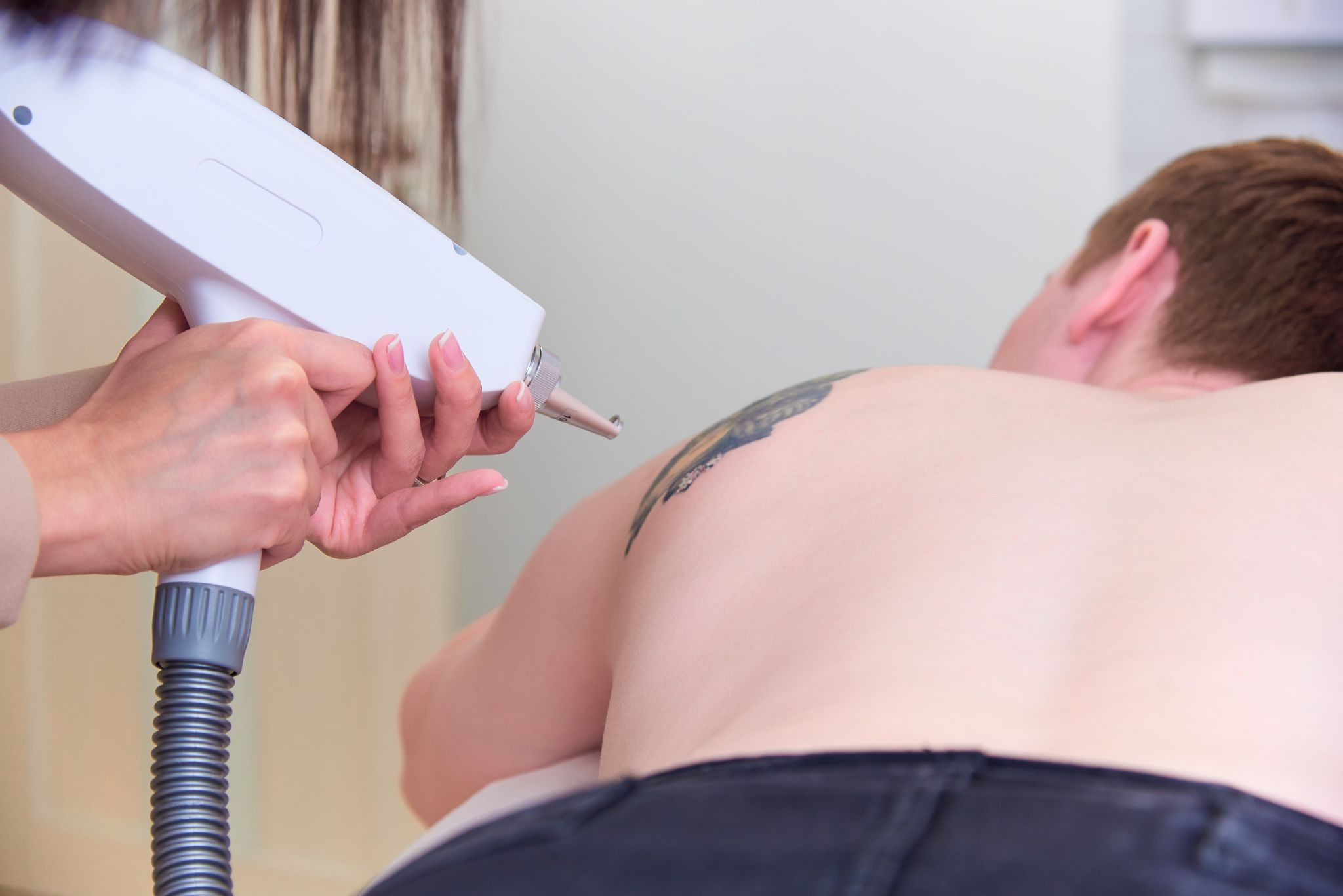
People often reach a point where a tattoo no longer feels right. A design that once held meaning can lose relevance over time. That shift brings a practical concern that deserves a clear answer. How long will the removal process actually take from start to finish? The answer depends on several factors, not just the tattoo itself.
Tattoo removal usually takes several months to a few years, depending on the tattoo and treatment plan. Most clinics report six to 12 sessions in recent clinical data. Each session must be spaced weeks apart to allow proper healing. This process builds gradually, which means results appear over time rather than instantly.
Tattoo removal takes time because ink sits deep within the dermis layer of the skin. Removal methods must first break the ink into smaller particles before the body can process it. This breakdown happens during each session, but the body clears fragments slowly. The immune system then removes these particles over several weeks after treatment. This biological process explains why sessions cannot happen too close together. Faster treatment would increase the risk of skin damage and poor healing outcomes.
Most tattoo removal plans last between eight months and two years for noticeable results. Clinics often recommend sessions every six to eight weeks for safe progress. This schedule allows the skin to heal and the body to effectively remove ink fragments. Smaller tattoos or faded designs may require fewer sessions overall. Larger or denser tattoos can extend the timeline beyond a year. Consistent appointments help maintain steady progress throughout the process.
Your personal timeline depends on how your body responds to each session. Some people process ink particles faster due to stronger immune activity. Skin sensitivity may also influence how frequently treatments can occur. This individual response creates variation even among similar tattoos. Providers adjust plans based on progress after each session. A tailored approach helps achieve better and safer results.
Tattoo removal time varies because each tattoo and body responds differently to treatment. Several elements influence how quickly the ink fades during sessions. This variation explains why providers create personalized treatment plans for each client. Understanding these factors helps set realistic expectations from the start.
Tattoo size and ink depth directly affect how long it takes to remove. Larger tattoos contain more pigment, which requires more sessions to break down. Deeply placed ink also takes longer to reach and fragment during treatment. Professional tattoos often use layered ink, which slows fading. This depth means each session removes only a portion of the pigment. Over time, repeated sessions gradually reduce the tattoo's overall visibility.
Ink color plays a key role in how quickly a tattoo fades. Black ink responds best because it absorbs laser energy effectively. Lighter colors like yellow and green reflect certain wavelengths, making them harder to remove. This variation means some colors may remain visible longer than others. Modern inks may also contain compounds that resist treatment. These differences can extend the number of sessions required for full fading.
Skin type and tattoo location influence healing speed and treatment intensity. Lighter skin tones often allow stronger laser settings during sessions. Darker skin tones require more cautious adjustments to avoid pigmentation changes. Tattoos on areas with better circulation tend to fade faster. For example, tattoos on the upper body often respond quicker than those on the feet. This difference can add extra time to the overall removal process.
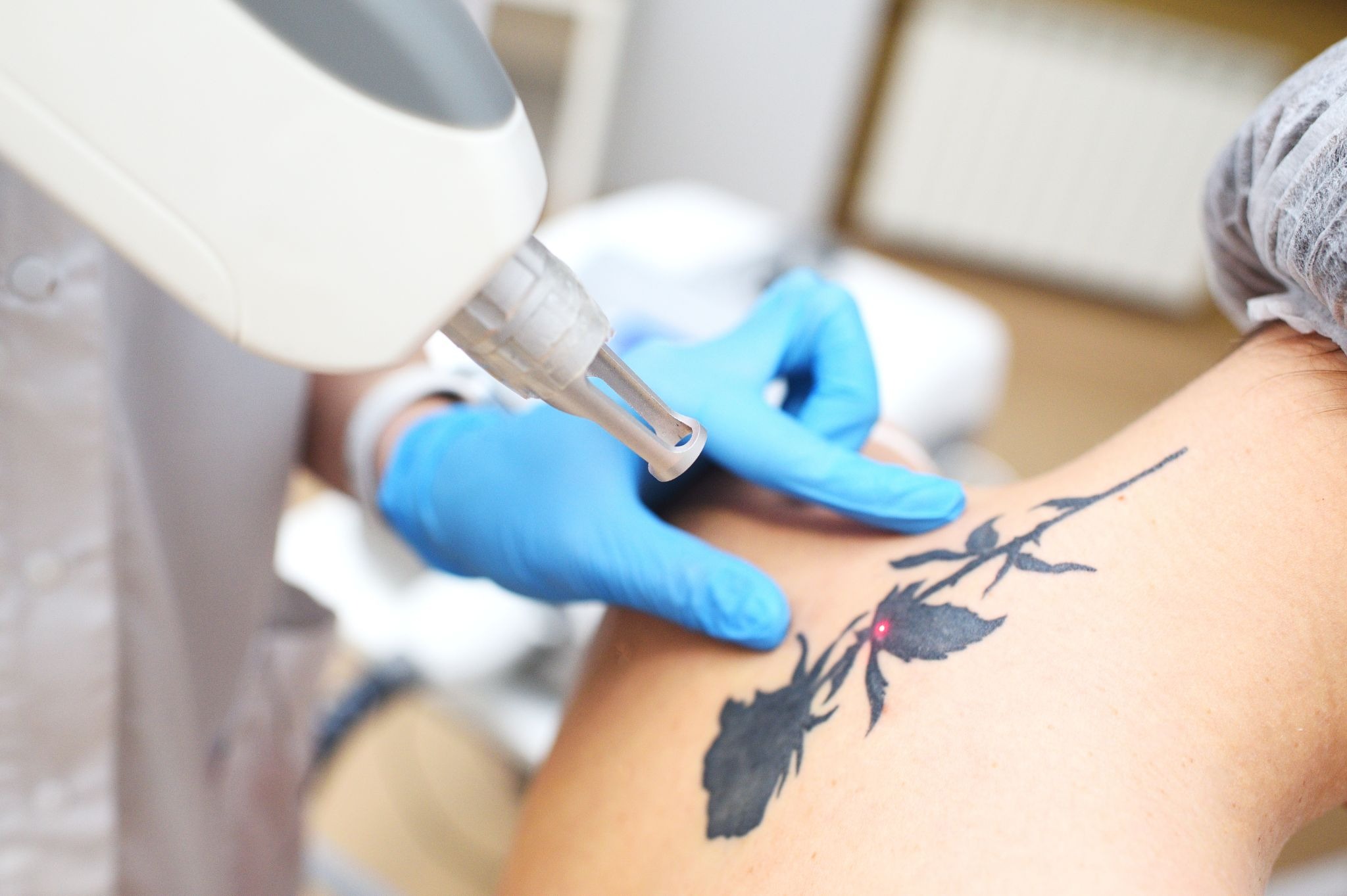
Older tattoos often fade faster because the body has already broken down some ink. Sun exposure and natural aging can also lighten the design over time. Newer tattoos usually contain fresh, dense pigment that resists removal. Ink quality also matters, as some formulas break down more easily than others. This variation affects how quickly sessions produce visible results. Providers consider tattoo age when estimating the treatment timeline.
Laser tattoo removal remains the most widely used method due to its balance of safety and effectiveness. This approach uses focused light energy to target and break down ink particles. Each session contributes to gradual fading rather than immediate removal. Skin clinics rely on this method because it provides predictable, controlled results.
Laser removal works by sending pulses of light into the skin to break apart ink particles. These particles become small enough for the body to remove naturally. This process continues after each session as the immune system clears the debris. Results may appear subtle at first but become more visible over time. Each session builds on the last, creating steady fading. This progression explains why patience is important in the process.
Session frequency depends on how the skin responds to each treatment. Most providers recommend waiting several weeks between sessions for proper healing. This waiting period allows the body to effectively remove fragmented ink. Shortening this interval does not speed up results and may irritate. Providers adjust schedules based on progress and skin condition. Following the recommended plan supports consistent and safe fading.
The total number of sessions depends on tattoo complexity and individual response. Simple tattoos may require fewer sessions, while detailed designs need more. On average, people undergo eight to ten sessions for strong fading results. Some tattoos may need additional treatments for stubborn areas. Complete removal is possible in many cases, but it is not guaranteed. A consultation provides a clearer estimate based on the tattoo's characteristics.
Laser removal remains the preferred option because it targets the ink without damaging surrounding skin. This precision reduces the risk of scarring compared to other methods. Clinics rely on advanced laser systems for consistent and safe results. This method also allows providers to adjust settings based on skin type and ink color. Patients benefit from a controlled and gradual fading process. This reliability makes laser treatment the standard choice in most clinics.
Other tattoo removal methods exist, but they differ in speed and results compared to laser treatments. These methods may offer faster outcomes but often involve higher risks. Each option comes with its own recovery timeline and limitations. Understanding these alternatives helps in choosing the most suitable approach.
Surgical removal eliminates the tattoo by cutting out the affected skin. This method provides immediate results for small tattoos. Recovery typically takes several weeks, depending on the size of the area. This approach often leaves a scar, which replaces the tattoo. Doctors usually recommend it only for smaller designs. Careful evaluation helps determine if this method is appropriate.
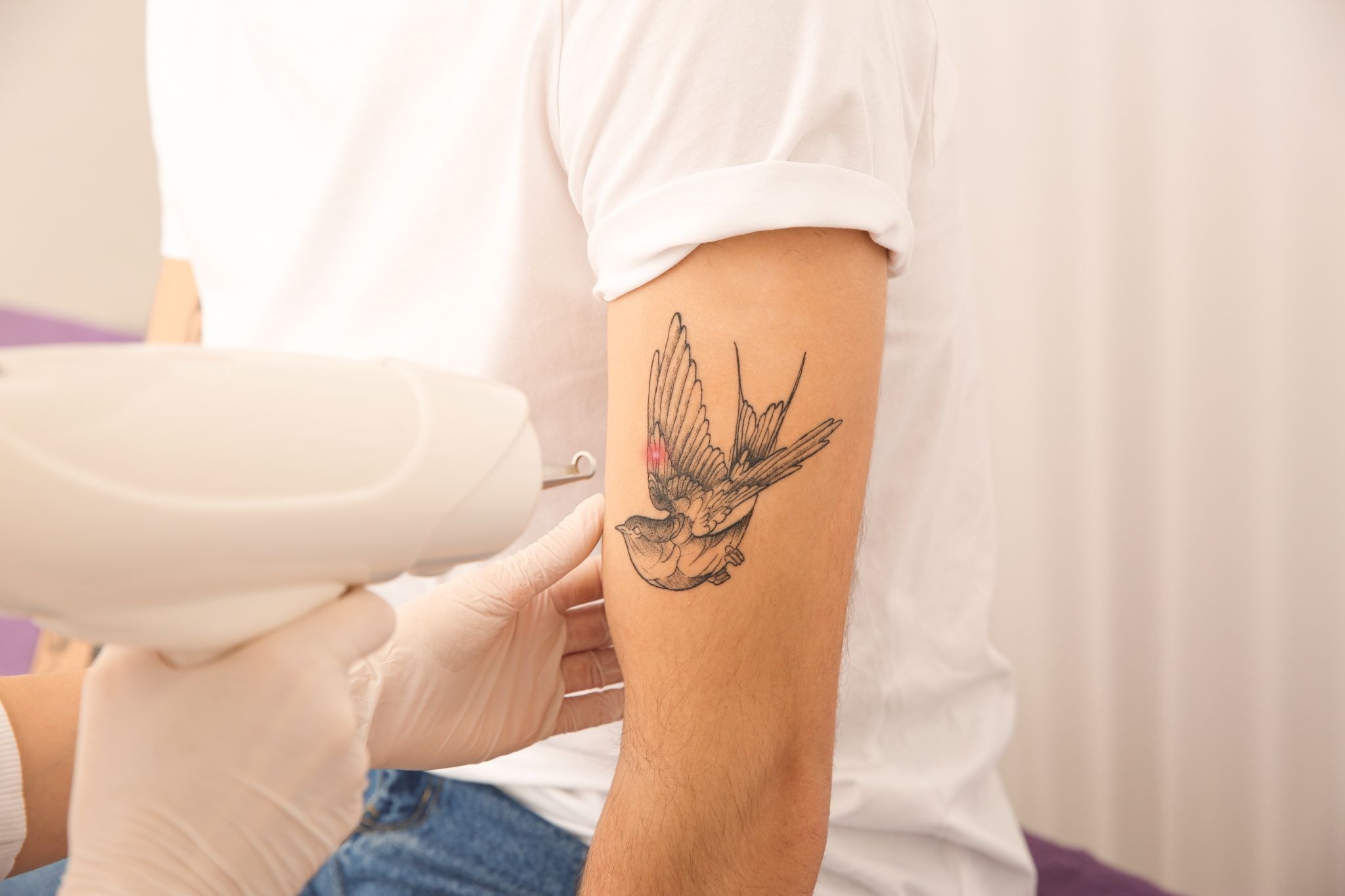
Dermabrasion removes layers of skin using controlled abrasion techniques. This method gradually fades the tattoo but requires healing time after each session. Chemical removal uses acids to peel away layers of skin over time. These methods may take several sessions to achieve noticeable results. Healing can take weeks and may involve discomfort. Results are less predictable compared to laser treatments.
Tattoo removal speed can improve with proper care and healthy habits, although results still take time. Certain actions support the body’s ability to process and remove ink particles. This approach focuses on improving efficiency rather than rushing the process. Small adjustments can lead to better outcomes over time.
Aftercare steps protect the skin and support healing after each session. Keeping the area clean reduces the risk of infection. Moisturizing helps maintain skin health during recovery. Avoiding sun exposure prevents complications such as discoloration. This care routine helps the skin respond better to future treatments. Consistent aftercare supports steady fading over time.
Lifestyle habits influence how efficiently the body removes ink particles. Staying hydrated supports the body’s natural detox processes. A balanced diet provides nutrients needed for skin repair. Regular exercise improves circulation, which helps carry ink particles away. Smoking can slow healing and reduce treatment effectiveness. Healthy habits work together to support better removal results.
Consistency in attending sessions helps maintain steady progress in fading. Skipping appointments can delay the overall timeline of removal. The body responds better when treatments are scheduled regularly. This routine supports continuous breakdown and removal of ink particles. Providers can also adjust treatments more effectively with consistent visits. Staying on track leads to more predictable outcomes over time.
Healing time between sessions allows the skin and body to recover properly after treatment. This stage plays a direct role in the effectiveness of each session. The body continues removing ink even after the session ends. Proper healing supports better results in future treatments.
Skin recovery begins immediately after each removal session. The treated area may appear red or slightly swollen at first. This reaction is normal and part of the healing process. Over several days, the skin repairs itself and returns to normal. Proper aftercare reduces irritation and supports faster healing. Healthy skin responds better to future treatments, improving overall results.
The body removes ink particles through its natural immune response. Over time, white blood cells carry fragmented ink away from the skin. This process continues for weeks after each session. Each treatment creates more fragments for the body to clear. This gradual removal explains why fading happens slowly. Consistent sessions help maintain steady progress.
The waiting period between sessions often shows a gradual fading of the tattoo. Some areas may lighten faster, creating uneven changes at first. This pattern is normal and becomes more balanced over time. Mild itching or dryness may occur as the skin heals. Proper care helps manage these effects and supports recovery. Observing these changes helps track progress throughout treatment.
Removing a tattoo requires a clear plan that aligns with your goals and timeline. Each session builds progress, so consistency matters more than speed. This approach helps you stay committed while managing expectations throughout the process. Speaking with a qualified provider can clarify the best path and help you begin with confidence.
Get clearer answers before your first session—visit the Naples Laser & Skin Aesthetics blog for expert insights on tattoo removal.
%402x.svg)