.png)
.png)
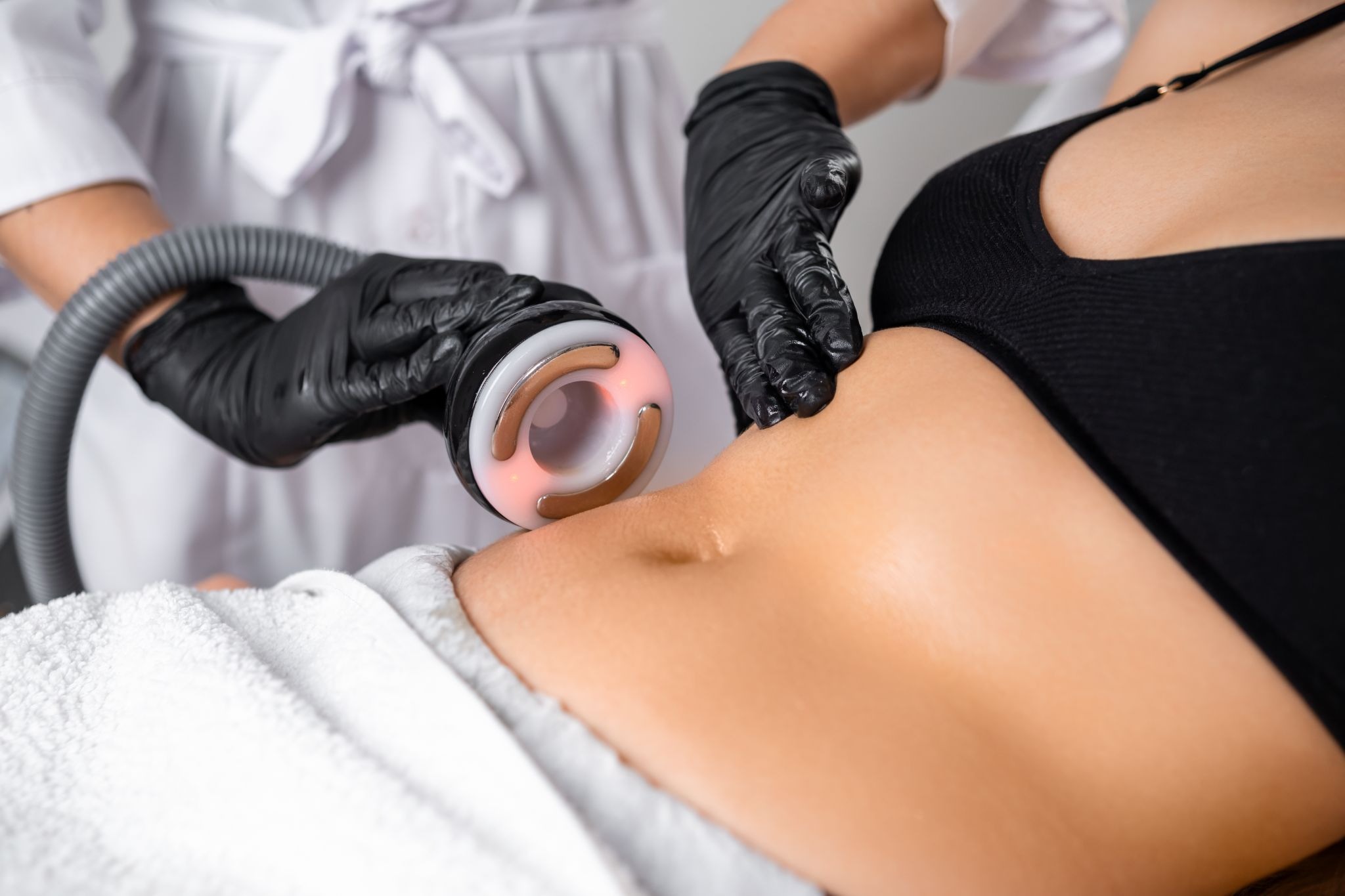
More people are paying closer attention to how their bodies look and feel each day. Busy routines often make traditional surgery feel impractical or overwhelming. New options now offer visible changes without interrupting daily life. At the same time, expectations have shifted toward subtle, natural-looking results. These changes are shaping how modern body contouring solutions evolve and gain attention.
Modern body contouring appeals to those who want results without major disruption. Most sessions take less than an hour and require little to no downtime. This convenience fits into packed schedules where flexibility matters. Gradual changes also help results appear more natural over time. Clinics have reported steady growth based on recent treatment data. This rising demand reflects stronger confidence in non-invasive options.
Technology has advanced, offering several effective ways to target stubborn fat. Cooling-based systems freeze fat cells, allowing the body to naturally remove them. Laser devices heat and break down fat layers with controlled precision. Ultrasound tools disrupt fat while protecting nearby tissue. Many providers combine these methods to improve overall results. This layered strategy enables more customized, efficient treatments.
Comfort and safety now rank high for anyone considering body contouring. Many devices include features that reduce discomfort during sessions. Cooling panels or numbing elements help make the process more tolerable. Recovery remains short, so daily routines rarely face interruption. Providers explain possible effects clearly to set realistic expectations. This honest approach builds trust and improves overall satisfaction.
Results from modern body contouring treatments vary beyond the procedure itself. Many people focus on the method used while overlooking the underlying factors that shape visible changes. These overlooked elements often explain why outcomes differ between individuals. Understanding these influences helps create more realistic expectations and better long-term results.
Personalized body contouring now focuses on tailoring procedures to individual body types and goals. Clinics use detailed assessments to determine the most effective approach for each patient. This strategy improves accuracy and reduces unnecessary treatments. This personalized care model delivers more consistent, satisfying results.
Advanced tools now scan and assess body composition with impressive accuracy. These systems highlight where fat sits and how it may respond to treatment. Clear visual data helps both provider and patient understand the starting point. Predictive insights also show likely outcomes before any procedure begins. Clinics use this information to refine plans as progress develops. This smarter approach removes much of the guesswork from the process.
Daily habits shape how the body stores and reduces fat over time. Providers consider diet, movement, and routines before suggesting a plan. A more active lifestyle often supports faster and longer-lasting results. Nutrition guidance can also help maintain changes after treatment ends. Patients who stay involved tend to see better overall progress. This connection between habits and results encourages consistency.
Certain areas resist even the most disciplined routines, which can feel frustrating. Newer tools now focus directly on those hard-to-change spots. Common areas include the midsection, the thighs, and the area under the chin. Adjustable settings allow treatments to match each body type better. This level of control helps create smoother, more consistent outcomes. Better targeting also reduces the risk of uneven results.
Wellness-driven body contouring blends aesthetic treatments with health-focused strategies. Clinics now address factors beyond fat removal to support long-term results. This broader approach includes nutrition, fitness, and metabolic health considerations. This integration creates a more complete and effective treatment experience.
Long-term results often depend on more than just a single procedure. Balanced meals support the body as it processes treated fat. Regular exercise improves tone and helps maintain a refined shape. When combined, these habits strengthen overall results. Many clinics now guide patients through simple lifestyle adjustments. This combined effort creates a more stable and lasting outcome.
Internal factors can quietly affect how the body stores fat. Hormones, for example, influence weight distribution and energy use. When imbalances occur, results may take longer to appear. Some providers suggest further evaluation if progress slows unexpectedly. Addressing these underlying issues can improve overall outcomes. This deeper understanding helps create a more complete plan.
A growing number of people prefer treatments in relaxed, comfortable environments. Medical spas combine professional care with a more welcoming atmosphere. Clients can often receive multiple services during a single visit. This convenience saves time and simplifies ongoing care. Many facilities now offer membership options for regular treatments. This shift reflects changing expectations around comfort and accessibility.
Advanced body contouring technology focuses on improving efficiency and patient comfort. New devices target fat cells more precisely while reducing treatment time. This innovation allows clinics to deliver better results with fewer sessions. This ongoing development continues to shape the future of body contouring.
New devices continue to improve the performance of body contouring treatments. Enhanced precision allows providers to focus on fat without affecting nearby tissue. Sessions now take less time, making them easier to fit into busy schedules. Real-time monitoring helps adjust treatment settings for better control. These improvements lead to more consistent outcomes across patients. This steady progress keeps raising the standard for results.
New systems use refined energy delivery to target fat layers directly. These improvements reduce the risk of affecting nearby skin and tissue. Adjustable settings allow providers to better match each patient’s needs. Real-time feedback helps maintain safe and consistent performance during sessions. Patients benefit from smoother results and fewer complications. This precision supports better overall treatment experiences.

Skin quality affects how smooth and firm the body looks after contouring procedures. Elastic skin adjusts more readily as fat volume decreases, creating a more even surface. When skin lacks firmness, treated areas may appear loose despite fat reduction. Providers often assess elasticity before recommending any procedure to avoid uneven results. Many clinics combine contouring with skin-tightening methods to improve overall appearance. This combined approach helps patients achieve more balanced and natural-looking outcomes.
Elasticity refers to the skin's ability to stretch and return to its original shape. Younger or well-maintained skin typically responds better after contouring procedures. Collagen levels play a key role in maintaining this firmness and flexibility. As collagen levels decline, the skin may not retract fully after fat loss. Providers may suggest supportive treatments to improve elasticity before or after procedures. This preparation helps produce smoother, more refined results over time.
Combining contouring with skin tightening improves both shape and texture. Technologies such as radiofrequency and ultrasound stimulate collagen production in the skin. This stimulation helps tighten areas where fat has been reduced. Patients often notice a more lifted and toned appearance after combined treatments. Clinics recommend this approach when skin laxity is a concern. This method creates a more complete and satisfying outcome.
Certain signs suggest the skin may need added support during contouring. Loose texture, fine lines, or reduced firmness often indicate lower elasticity. Rapid weight changes can also affect how the skin responds after fat reduction. Providers evaluate these signs during consultations to guide treatment choices. Early intervention can improve the skin's ability to adapt to changes in volume. This awareness helps patients plan more effective and balanced procedures.
Metabolic response influences how the body processes fat after contouring treatments. Each person's metabolism determines how quickly the body removes treated fat cells. Some individuals see faster results due to more active metabolic function. Others may require more time before visible changes appear. Providers explain these differences during consultations to set clear expectations. This understanding helps patients stay patient and consistent with their treatment plans.
After treatment, the body gradually breaks down and removes affected fat cells. The lymphatic system plays a key role in clearing these cells from the body. Hydration and movement can support this natural process. Results often appear over several weeks as the body continues to process fat. This gradual change contributes to a more natural-looking outcome. Patients who follow aftercare guidance often see better progress.
Several internal and external factors affect how quickly results develop. Metabolism, hydration levels, and physical activity all play a role. Individuals with active lifestyles may notice faster visible changes. Circulation also affects how efficiently the body clears treated fat cells. Providers may suggest simple habits to support this process after treatment. This supportive care helps improve both speed and consistency of results.
Simple habits can help the body process treated fat more efficiently. Drinking enough water supports the lymphatic system and overall circulation. Light physical activity encourages the movement of fluids and waste products. Balanced meals provide the energy needed for recovery and metabolic function. Providers often recommend consistent routines to maintain progress. This supportive approach helps patients achieve steadier, more predictable results.
Online platforms shape how people learn about body contouring options. Images and videos often highlight real treatment results. This exposure increases awareness and sparks curiosity. However, many users now question overly edited or unrealistic content. Clinics respond by sharing more authentic and verifiable outcomes. This shift encourages more informed and thoughtful decisions.
Subtle changes now appeal more than dramatic transformations. Many people want improvements that look effortless and gradual. This preference reflects a broader shift toward authenticity in appearance. Treatments now focus on enhancing natural features rather than altering them. Patients often feel more confident with softer, blended results. This trend continues to influence how providers design plans.
Making a well-informed choice often leads to more satisfying and realistic outcomes. Many patients now rely on detailed research, consultations, and verified feedback before selecting a treatment. Reviews and testimonials provide insight into real experiences, which helps set clearer expectations. For example, one patient shared that understanding the timeline prevented frustration during the early stages. Another noted that choosing a provider based on credentials improved both comfort and results. These experiences show how informed decisions can lead to greater confidence and better overall satisfaction.
Better results come from informed choices guided by trusted experts on fat reduction. Experienced providers use clinical data, proven technologies, and personalized assessments to recommend what truly fits your needs. This professional insight helps you avoid mismatched treatments and unrealistic expectations. A well-planned approach with the right team often leads to results that look natural, balanced, and lasting.
Find trusted advice and the latest innovations by browsing the Naples Laser & Skin Aesthetics blog today.
%402x.svg)