.png)
.png)

Acne can make even simple skincare choices feel confusing and frustrating. Many products promise quick improvements but often leave people disappointed after repeated use. A consistent skincare routine creates better conditions for healthier-looking skin over time. Small daily habits often make a greater difference than expensive products with unrealistic claims. Clear information helps you build a routine that fits your skin and supports lasting results.
Healthy skin responds better when daily care follows a predictable pattern instead of constant changes. Frequent product switching often creates irritation and makes it harder to identify what actually works. A balanced facial care routine also supports the skin barrier while reducing unnecessary stress. Long-term consistency gives active ingredients enough time to produce noticeable improvements.
Acne begins when excess oil mixes with dead skin cells inside pores. That buildup creates an environment where acne-causing bacteria can multiply more easily. Inflammation then causes whiteheads, blackheads, pimples, or deeper blemishes to appear. Hormones, genetics, stress, and lifestyle habits can influence how often breakouts develop. Some people experience occasional flare-ups, while others manage persistent acne throughout adulthood. Understanding these causes makes product choices more practical and reduces unnecessary trial and error.
Daily skincare decisions influence how your skin reacts over weeks and months. Gentle cleansing removes dirt, sunscreen, and excess oil without stripping natural moisture. Consistent moisturizing keeps the skin barrier stronger and reduces irritation from acne treatments. Sun protection also prevents dark marks from becoming more noticeable after blemishes heal. Healthy habits outside skincare, including sleep and hydration, can further support overall skin health. Steady routines usually outperform complicated regimens that frequently change.
Healthy skin depends on consistent care that matches your skin's changing needs. The right routine reduces common mistakes while supporting clearer, healthier-looking skin over time. Simple daily habits often deliver better results than complicated regimens filled with unnecessary products. Understanding the steps behind an effective routine makes it easier to choose products and treatments with confidence.
Every person's skin behaves differently, even when they share similar acne concerns. Learning your skin type prevents wasted money and reduces the chance of unnecessary irritation. Product labels become much easier to understand once you recognize your skin's specific needs. Careful observation creates a stronger foundation for every skincare decision.
Skin generally falls into oily, dry, combination, sensitive, or balanced categories. Oily skin often produces noticeable shine within several hours after cleansing. Dry skin may feel tight, rough, or flaky during the day. Combination skin usually appears oily around the forehead, nose, and chin while remaining drier elsewhere. Sensitive skin reacts more easily to fragrances, harsh ingredients, or environmental changes. Knowing your skin type helps narrow product choices without relying on guesswork.
Not every breakout requires the same level of treatment or product strength. Mild acne usually includes blackheads, whiteheads, and occasional inflamed pimples. Moderate acne often produces larger groups of blemishes with lingering redness. Severe acne may involve painful cysts or nodules that increase the risk of permanent scarring. Persistent or painful breakouts deserve evaluation from a dermatologist instead of repeated self-treatment. Early professional care often prevents unnecessary skin damage and prolonged frustration.
Morning skincare prepares your skin for daily environmental exposure and oil production. Each product should support the next without overwhelming your skin with unnecessary ingredients. Keeping the routine simple encourages better consistency throughout the week. Reliable daily habits often produce stronger results than complicated routines.
Wash your face using a mild cleanser designed for acne-prone skin. Gentle formulas remove overnight oil without damaging the protective skin barrier. Harsh cleansers often leave skin dry and encourage additional oil production afterward. Use lukewarm water because hot water may increase irritation and redness. Gently massage the cleanser instead of scrubbing aggressively with rough materials. Pat your face dry using a clean towel instead of rubbing the skin.
Apply treatment products only after your skin becomes completely dry—ingredients like benzoyl peroxide or salicylic acid work best when used consistently. Begin with lower strengths if your skin easily becomes irritated. Use only the recommended amount because applying extra product rarely speeds improvement. Give each treatment several weeks before deciding whether it works effectively. Adding multiple active ingredients too quickly often causes dryness and unnecessary irritation.
Moisturizer helps maintain hydration even when your skin produces excess oil. Lightweight, non-comedogenic formulas reduce the chance of clogged pores. Sunscreen protects healing skin from ultraviolet damage and lingering discoloration. Choose a broad-spectrum sunscreen with at least SPF 30 for daily protection. Modern sunscreen formulas feel lightweight and blend comfortably into most skincare routines. Daily sun protection supports healthier-looking skin long after active breakouts improve.
Nighttime skincare gives active ingredients more uninterrupted time to work. Removing the day's buildup also creates cleaner conditions for overnight skin renewal. Evening routines should remain practical instead of becoming overly complicated. Consistency matters much more than using many different products.
Makeup, sunscreen, and pollution collect on the skin throughout the day. Removing those layers helps reduce clogged pores and leftover residue. Use a gentle makeup remover if regular cleanser cannot remove heavier products completely. Follow with your facial cleanser to leave the skin thoroughly clean. Avoid sleeping with makeup because it increases the chance of blocked pores. Clean skin also allows treatment products to spread more evenly.
Nighttime provides a valuable opportunity for skin repair and renewal. Apply your prescribed or chosen acne treatment after cleansing if appropriate. Follow with a moisturizer that supports hydration without feeling heavy. Avoid experimenting with several new products during the same evening routine. Give your skin time to respond before introducing additional active ingredients. Patient, consistent care often produces healthier results than chasing overnight improvements.
Daily skincare provides the foundation for healthier skin, yet some people benefit from professional treatments. Licensed skincare professionals can recommend services based on your skin condition and acne severity. Combining home care with appropriate facial treatments often creates more balanced results over time. Professional guidance also reduces the risk of choosing treatments that may irritate acne-prone skin.
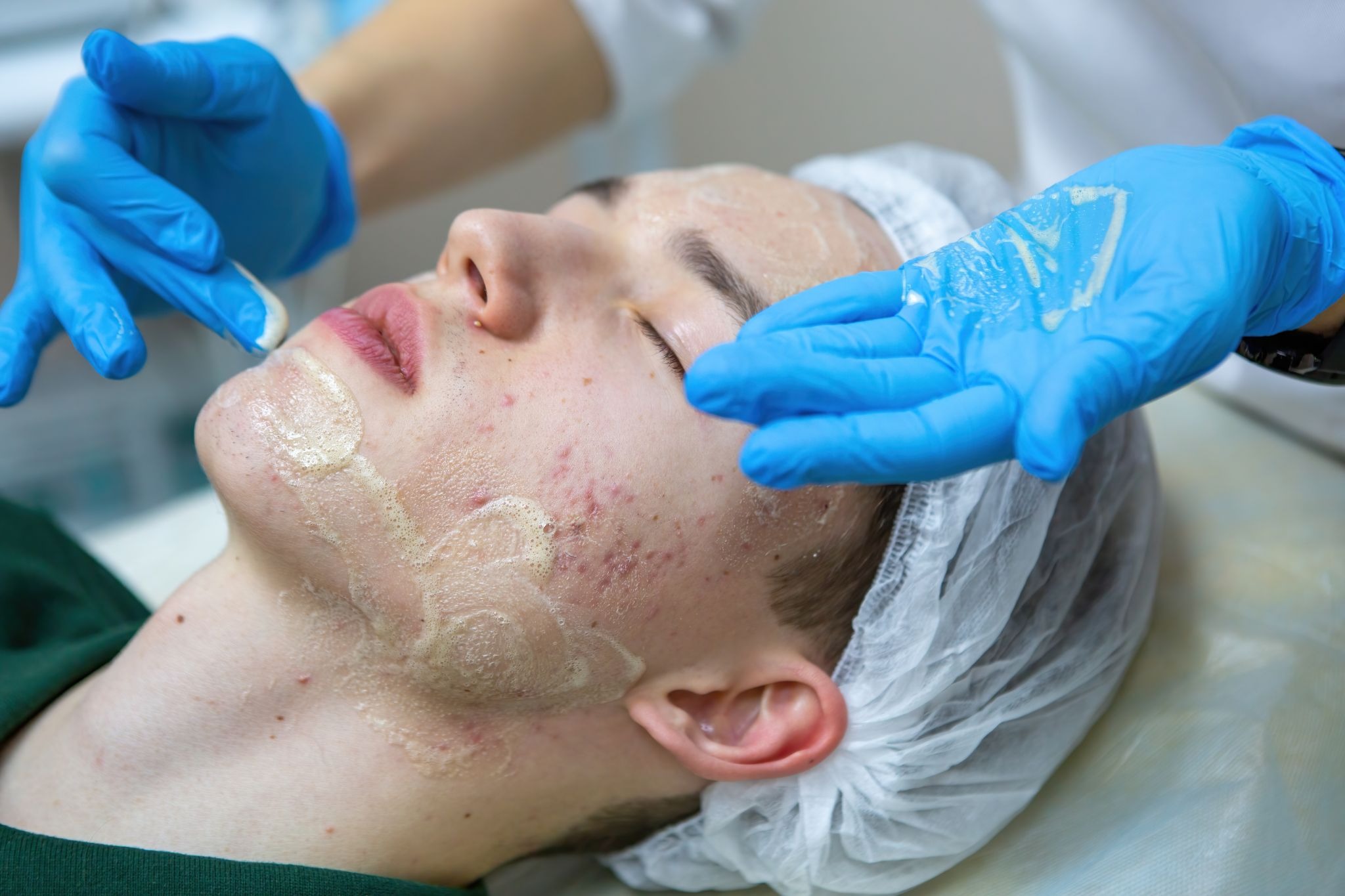
Deep cleansing facials remove excess oil, surface debris, and dead skin cells that collect inside pores. The treatment also softens clogged areas before gentle extractions take place. Licensed professionals perform extractions carefully to reduce unnecessary skin trauma. Regular appointments may help decrease congestion when paired with a consistent home routine. Active breakouts should always receive gentle handling to prevent additional inflammation. Following aftercare instructions helps maintain the treatment's benefits between visits.
Chemical peels use carefully selected acids to remove damaged surface skin and encourage healthier cell turnover. Light peels containing salicylic acid or glycolic acid commonly support acne management. These treatments may also improve the appearance of post-acne marks over time. Multiple sessions often produce better results than a single treatment. Skin usually becomes more sensitive after a peel, making daily sunscreen even more important. A qualified professional can recommend the appropriate peel strength for your skin.
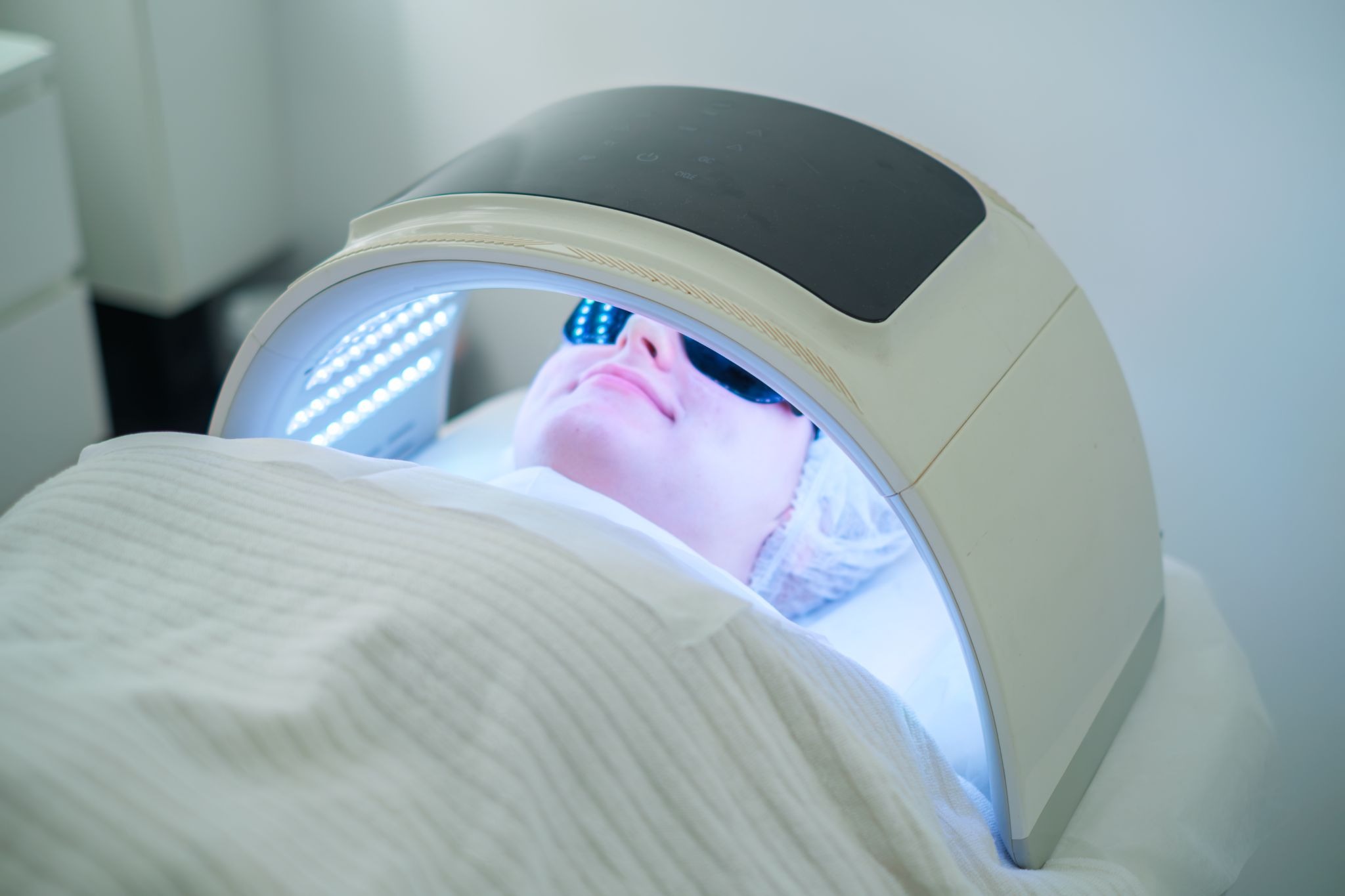
LED light therapy offers a non-invasive option for managing acne-related inflammation. Blue light targets acne-causing bacteria, while red light helps calm redness and supports skin recovery. The treatment causes little discomfort and requires no downtime for most people. Several sessions are usually needed before noticeable improvements appear. LED therapy works best as part of a complete acne management plan rather than a standalone solution. Professional advice helps determine whether this treatment suits your skin concerns.
Many people focus only on skincare products while overlooking daily behaviors that affect acne. Small habits repeated every day can support healthy skin or contribute to ongoing breakouts. Identifying those patterns often explains why acne continues despite using quality products. Practical lifestyle adjustments work best alongside a consistent skincare routine.
Hands collect bacteria, dirt, and oil throughout the day from countless surfaces. Touching your face transfers those impurities directly onto acne-prone skin. Picking or squeezing pimples also increases inflammation and slows the healing process. That behavior raises the chance of long-lasting dark spots or permanent scars. Keeping your hands away from active blemishes protects healing skin from additional damage. Breaking this habit takes practice but often produces noticeable improvements.
Pillowcases collect oil, sweat, skincare residue, and bacteria over several nights. Washing them regularly creates a cleaner surface for your skin during sleep. Makeup brushes should also be cleaned regularly because leftover product attracts bacteria. Mobile phones frequently touch the face and deserve regular disinfecting as well. Reusable towels should stay clean and completely dry between uses. These simple cleaning habits reduce unnecessary exposure to skin-irritating contaminants.
Product selection becomes easier once you understand how ingredients interact with your skin type. Attractive packaging does not always reflect product performance or compatibility. Reading labels carefully helps you avoid ingredients that commonly trigger irritation. Thoughtful purchases often save money and reduce skincare frustration over time.
Non-comedogenic products are designed to reduce the likelihood of clogged pores. Many moisturizers, sunscreens, and cosmetics now include this helpful label. That description does not guarantee perfect results for everyone, but it provides a useful starting point. Lightweight formulas often feel more comfortable on acne-prone skin throughout the day. Testing one new product at a time makes it easier to identify reactions. Gradual changes create a more predictable skincare experience.
Strong fragrances and high alcohol content may irritate sensitive or acne-prone skin. Physical scrubs with rough particles can worsen inflammation around existing blemishes. Products promising instant results sometimes contain aggressive ingredients that compromise the skin barrier. Gentle formulations generally support healthier skin during long-term acne treatment. Reading ingredient lists becomes easier with practice and careful comparison. Simple routines often outperform complicated collections of harsh skincare products.
Healthy skin reflects more than the products applied every morning and evening. Everyday choices influence oil production, inflammation, and the skin's ability to recover from breakouts. Lifestyle improvements work gradually, yet their effects often become noticeable with consistent effort. A balanced approach supports skincare products instead of replacing them.
Meals rich in vegetables, fruits, lean proteins, and whole grains provide nutrients that benefit overall skin health. Drinking enough water also supports normal skin function throughout the day. Some people notice breakouts after consuming certain foods, although triggers vary between individuals. Keeping a simple food journal may help identify personal patterns over time. Extreme diets rarely produce reliable improvements and often create unnecessary stress. Balanced eating habits provide stronger long-term benefits than restrictive trends.
Stress can contribute to acne flare-ups by affecting hormonal activity within the body. Healthy stress management supports both emotional well-being and skin health. Activities such as walking, stretching, reading, or meditation may reduce daily tension. Quality sleep also gives your body valuable time for normal repair processes. Consistent sleep schedules often benefit both physical health and skincare goals. Combining healthy routines with effective products creates a stronger foundation for clearer skin.
Clearer skin begins with decisions you repeat every day, not shortcuts that promise instant results. Build a facial care routine for acne that matches your skin's needs and stay consistent long enough to see meaningful changes. Adjust your routine when necessary, but avoid changing products before they have time to work. If breakouts continue or become more severe, seek professional guidance before lasting skin damage develops. Every step you commit to today brings you closer to healthier, more confident skin.
Every skincare decision shapes your results over time. Discover practical advice, professional perspectives, and helpful resources on the Naples Laser & Skin Aesthetics blog to build a routine that works for you.
%402x.svg)