.png)
.png)
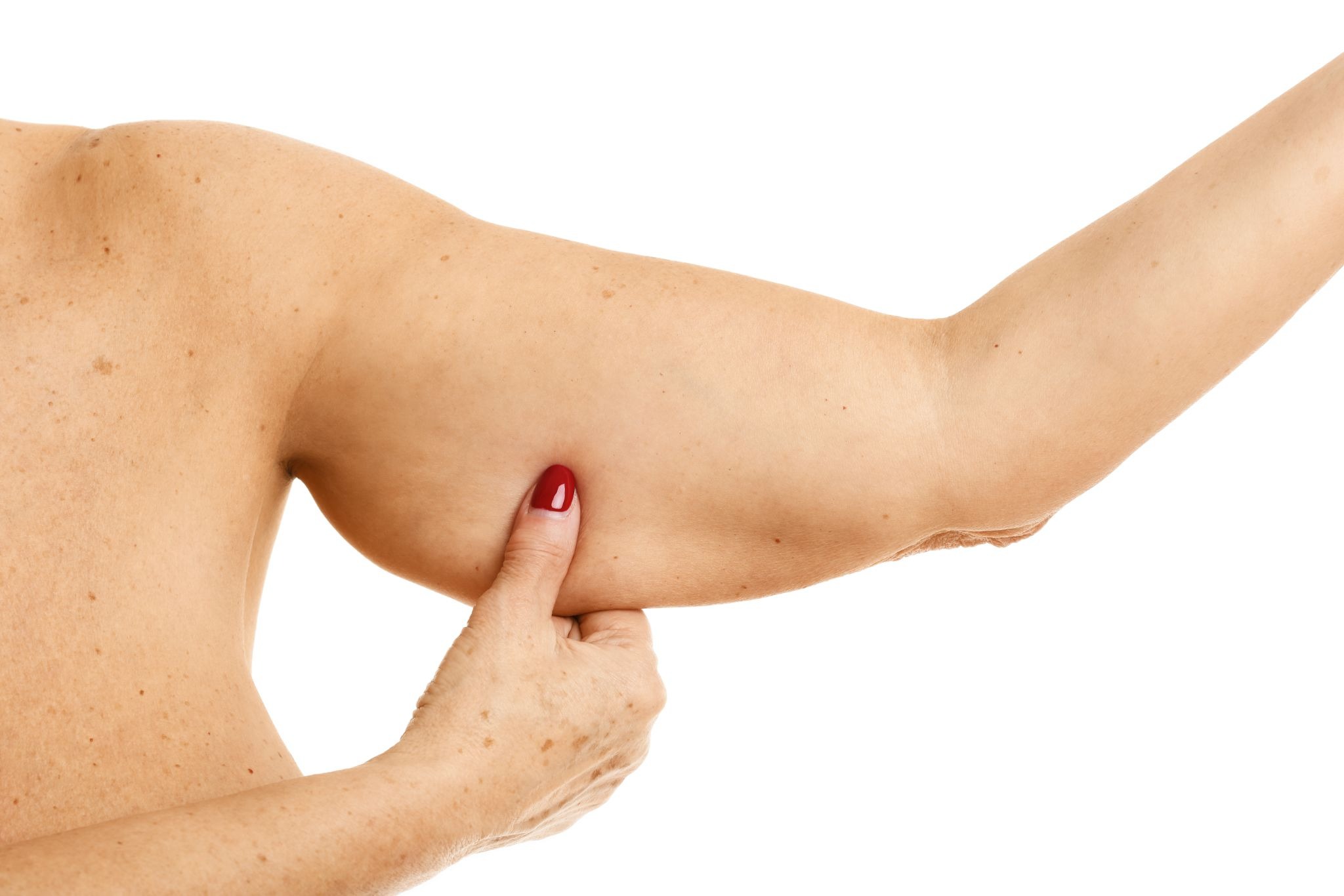
Reaching a weight-loss goal often feels like the finish line. After months or even years of effort, many people expect their bodies to reflect that progress immediately. Then, loose skin remains, creating frustration at a time that should feel rewarding. The change can affect confidence, comfort, and even the way clothes fit. As a result, one question comes up more than any other: Does loose skin go away on its own?
Loose skin develops when the skin stretches faster or longer than it can comfortably handle. Although skin is remarkably flexible, it still has limits. When those limits are exceeded, the structures that help skin stay firm begin to weaken. As a result, the skin may struggle to return to its previous shape after weight loss.
Two proteins play a major role in skin elasticity: collagen and elastin. Collagen provides strength and structure, while elastin allows the skin to stretch and return to its original shape. Together, they help the skin adapt to everyday changes. When the skin remains stretched for long periods, these proteins can become less effective. Over time, that loss of support makes loose skin more noticeable. That is one reason why some people experience lingering skin laxity even after reaching a healthy weight.
The degree of weight loss often influences the amount of loose skin that develops. Someone who loses twenty pounds may see little change in skin elasticity, while someone who loses one hundred pounds may see a different result. The skin must adapt to a much larger reduction in body volume. Even after the excess fat disappears, the skin may not shrink at the same rate. That often leaves folds or areas of sagging skin, particularly around the abdomen, arms, thighs, and chest.
Age affects the skin's ability to recover after stretching. As people get older, collagen production naturally declines. The skin also becomes thinner and less resilient. Because of these changes, older adults often notice more persistent loose skin after weight loss. Younger skin generally rebounds more easily, although age is only one part of the equation. Genetics and lifestyle habits also play important roles.
After learning why loose skin develops, the next question is usually straightforward. Most people want to know if their skin will tighten on its own or if treatment will eventually become necessary. The answer depends on how much elasticity remains in the skin. It also depends on how long the skin was stretched before the weight loss occurred.
When loose skin is relatively mild, the body may be able to restore some firmness naturally. This process does not happen overnight. In many cases, the skin continues adapting for months after weight loss ends. People often become discouraged when they do not see immediate changes. However, the body is still adjusting beneath the surface. As collagen production continues and weight remains stable, some areas may gradually appear tighter. While complete recovery is not guaranteed, noticeable improvement is possible for many individuals.
Larger amounts of excess skin tend to respond differently. If the skin remained stretched for years, its structural support may be permanently affected. As a result, natural tightening often reaches a limit, especially after major weight-loss transformations. People who lose substantial weight often find that healthy habits improve their appearance but do not completely remove excess skin. In these situations, treatment options may provide better results than waiting alone.
There is no universal timeline for skin recovery. Some people notice changes within several months, while others continue seeing gradual improvements for one or two years. Several factors influence the process. Age, genetics, nutrition, and overall skin quality all play a role. Because of these variables, comparing your progress to someone else's often creates unrealistic expectations. A better approach is focusing on steady improvement rather than a specific deadline.
Many people reach a point where they are unsure what they are seeing. The area may appear soft or saggy, making it difficult to determine whether fat remains beneath the skin. This confusion is extremely common, particularly near the end of a weight-loss journey. Understanding the difference can help guide your next steps.
Loose skin usually feels thin and flexible. It often wrinkles easily and may appear to hang rather than project outward. When you pinch it, the tissue may feel light and empty. This appearance becomes more noticeable after significant weight loss. The skin often folds over itself, especially around the abdomen. Because there is less volume underneath, the area tends to look flatter than areas that still contain fat.
Fat creates a different appearance and feel. Areas with remaining fat usually feel thicker and fuller when pinched. The tissue may appear rounded rather than loose or folded. In some cases, continued weight loss can noticeably change the size of the area. That response often indicates that fat remains beneath the skin. However, the distinction is not always obvious without professional evaluation.
Many people assume they must have either loose skin or fat. In reality, both often exist together. A person may lose a significant amount of weight while still carrying some body fat. When this happens, the remaining fat can stretch already weakened skin. The result may appear to be one issue when it is actually two. That is why accurate assessment matters before deciding on treatment.
Preventing loose skin completely is not always possible. Genetics and age influence skin elasticity in ways that no lifestyle habit can fully control. Even so, certain strategies may reduce the severity of loose skin. These habits also support healthier and more sustainable weight loss.
Rapid weight loss often attracts attention, but slower progress can offer advantages. When weight comes off gradually, the skin has more time to adapt to changes in the body. It does not mean slow weight loss prevents loose skin entirely. However, it may reduce the stress placed on the skin during the process. For many people, a steady approach supports both physical and long-term success.
Muscle plays an important role during weight loss. As body fat decreases, muscle helps maintain shape and definition. Without resistance training, some people lose muscle along with fat. Building and preserving muscle cannot eliminate loose skin. However, it can improve the appearance of affected areas. A stronger underlying structure often creates a firmer overall look.
The skin relies on nutrients to maintain its structure. Protein, vitamins, and minerals all contribute to normal tissue function. When nutrition suffers, the skin may struggle to repair itself effectively. A balanced diet supports the body's natural recovery processes. While food alone will not remove excess skin, healthy eating creates conditions that support better outcomes over time.
Many people prefer to explore non-surgical options before considering surgery. Advances in aesthetic medicine have created several treatments designed to improve skin firmness. While these procedures cannot match surgical results, they may help certain individuals. The best outcomes typically occur when skin laxity is mild to moderate.
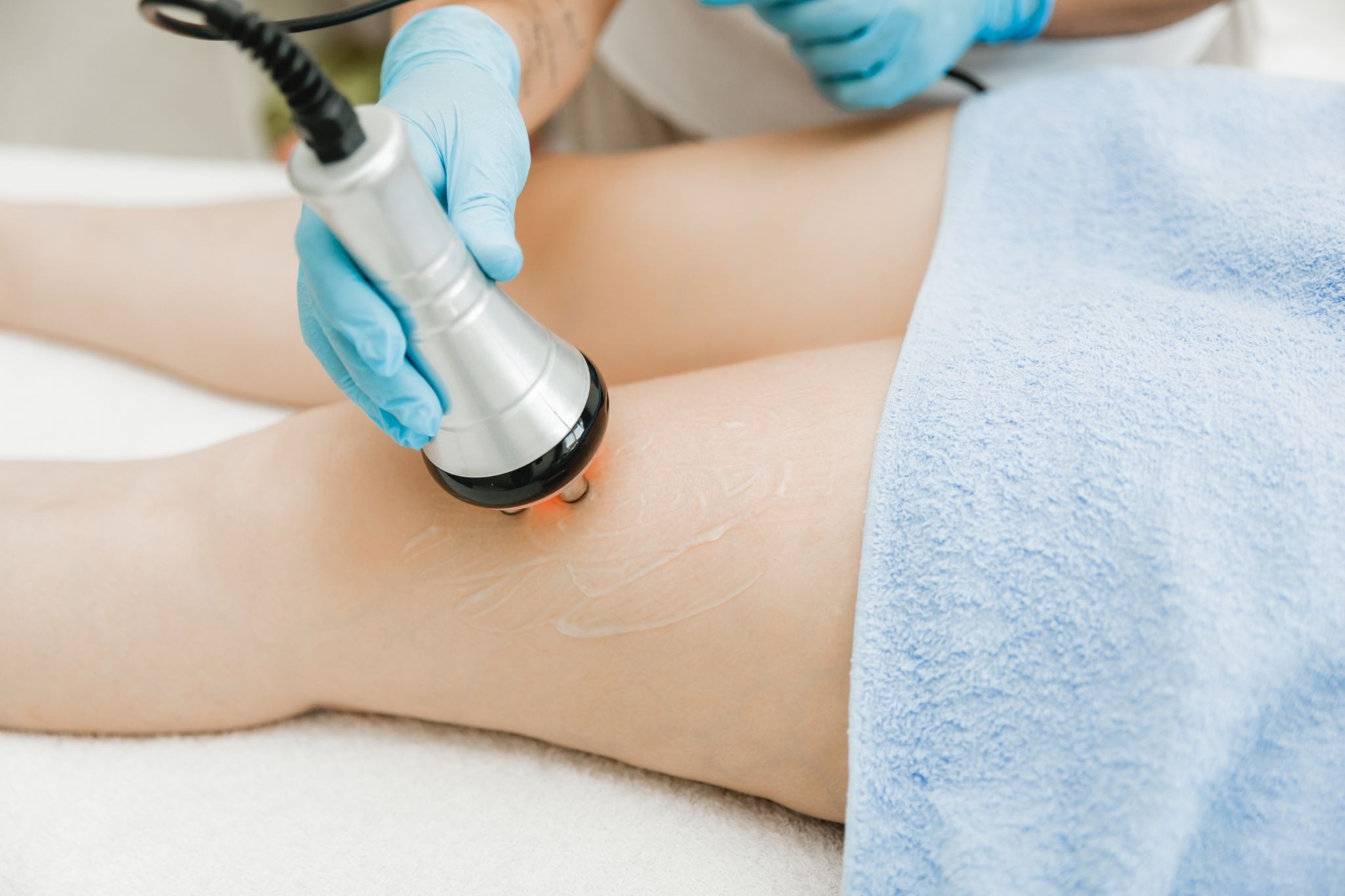
Radiofrequency treatments use controlled heat beneath the skin's surface. This heat stimulates collagen production, which may gradually improve firmness. Results do not appear immediately. Instead, the body responds gradually as collagen remodeling occurs. Many people require multiple sessions before seeing noticeable changes. Even then, expectations should remain realistic.
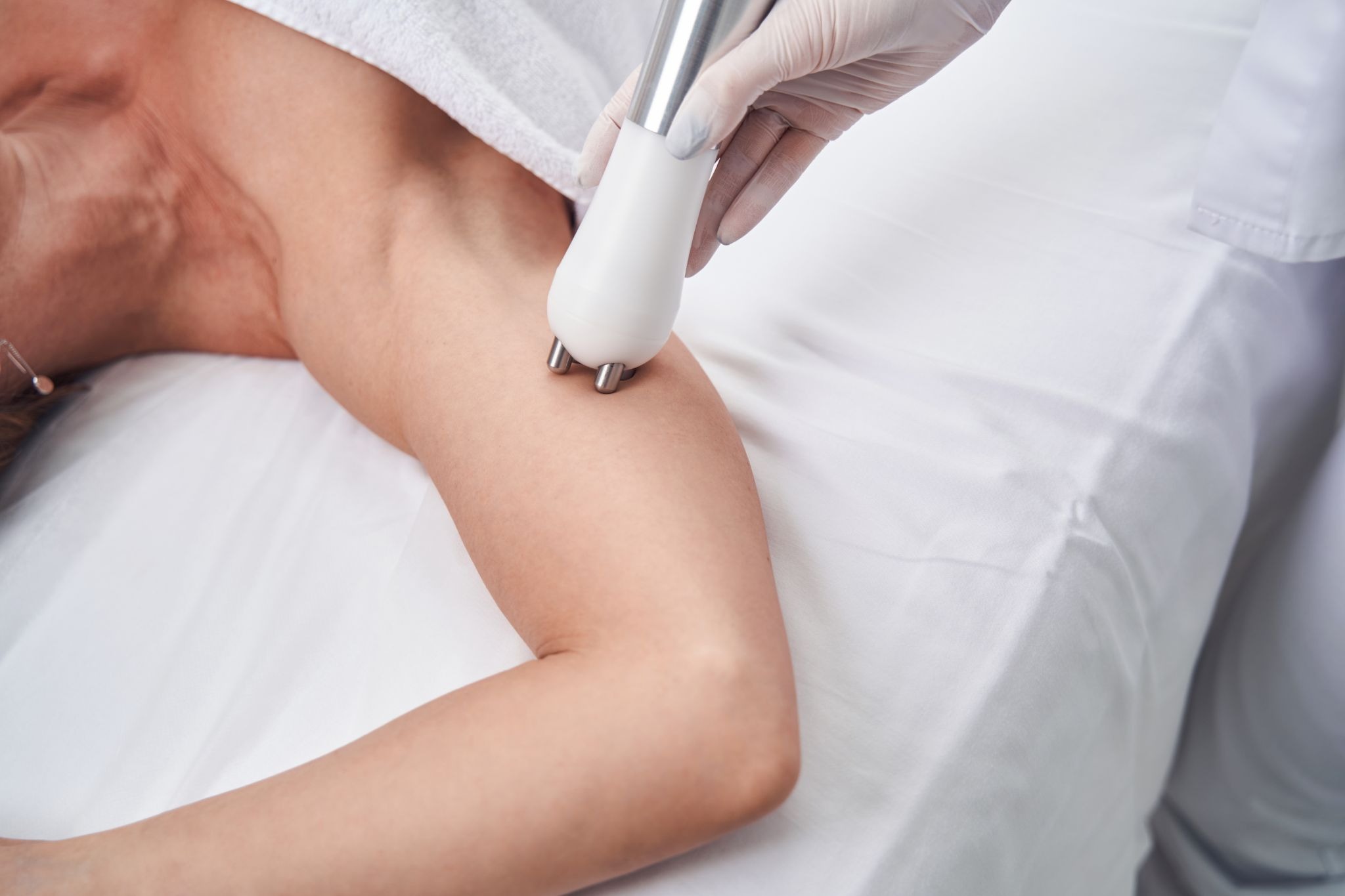
Ultrasound-based procedures work differently but pursue a similar goal. They deliver energy to deeper tissue layers without damaging the skin's surface. The treatment encourages collagen production and tissue tightening over time. As changes occur gradually, results often become visible several months after treatment. Some individuals notice meaningful improvement, while others experience more modest changes.
Certain laser procedures focus on improving skin texture and firmness. These treatments can stimulate collagen while addressing surface concerns; however, laser treatments generally work best when excess skin is limited. They are less effective when large folds of loose skin remain. For this reason, professional consultation remains important before choosing a treatment plan.
Loose skin can raise many questions, especially after significant weight loss. While no single answer applies to everyone, understanding the most common concerns can help you set realistic expectations. Below are the questions people most often ask when trying to understand skin recovery.
Mild loose skin often improves without surgery, especially when skin elasticity remains strong. However, larger amounts of excess skin rarely disappear completely on their own. Healthy habits such as strength training, proper nutrition, and weight maintenance may improve appearance, but they cannot remove excess skin. Non-surgical treatments may provide additional improvement in some cases. When loose skin is severe, surgery usually offers the most noticeable results.
Exercise cannot remove excess skin, but it can improve how your body looks and feels. Strength training helps build muscle beneath loose areas, which may create a firmer appearance. It also supports long-term weight management and overall health. While exercise cannot restore lost skin elasticity, it remains one of the most effective ways to improve body composition after weight loss. Many people notice a significant cosmetic improvement, even with some loose skin remaining.
It is usually best to wait until your weight has remained stable for several months. During this time, the skin may continue tightening naturally. Once progress levels off, you can better assess how much loose skin remains. If excess skin affects comfort, mobility, hygiene, or confidence, discussing treatment options with a qualified professional may be worthwhile. The right timing often leads to better long-term outcomes.
Loose skin does not improve the same way for everyone. While healthy habits can support skin recovery, some concerns may require additional treatment. If excess skin continues to affect your comfort or confidence, professional guidance can help clarify your options. Non-surgical skin tightening treatments and other aesthetic services may improve skin firmness and body contours in appropriate cases. Understanding what is possible for your situation can help you make a more informed decision.
Every aesthetic journey starts with the right information. Visit the Naples Laser & Skin Aesthetics blog for practical advice, treatment insights, and expert perspectives tailored to your goals.
%402x.svg)