.png)
.png)
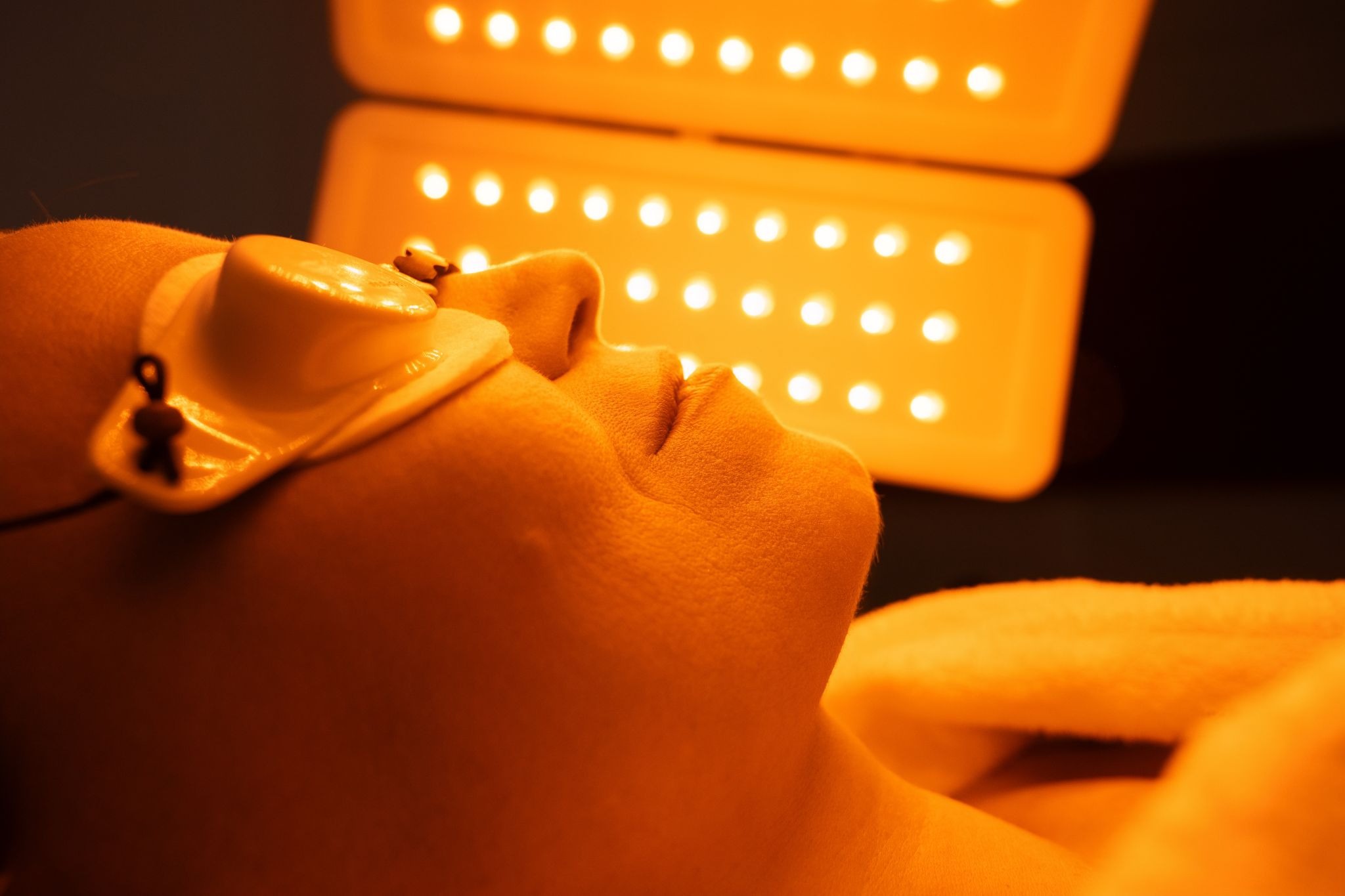
Many people want healthier skin without invasive treatments or lengthy recovery periods. LED light therapy has gained attention for offering a non-invasive option for addressing several skin concerns. Social media, skincare clinics, and at-home devices have increased public interest in this technology. Still, many people wonder if the results are genuine or simply another beauty trend. Understanding how LED light therapy works helps separate marketing claims from proven benefits.
LED light therapy uses specific wavelengths of light to interact with the skin. The treatment originated from research examining how light affects cellular activity. Over time, scientists discovered that certain light frequencies could support skin repair and other biological processes. Today, healthcare providers and skincare professionals use LED devices for a range of cosmetic and therapeutic purposes.
LED stands for light-emitting diode. These devices produce visible wavelengths that penetrate to varying depths in the skin. Unlike tanning beds, LED treatments do not use ultraviolet radiation. The therapy focuses on stimulating the skin's natural biological functions. Different colors of light target different concerns and treatment goals.
Light energy enters the skin and reaches targeted cells. Those cells absorb the energy and respond through biological processes. This reaction can support collagen production, reduce inflammation, and improve circulation. The depth of penetration depends on the color and wavelength used. Each treatment aims to encourage the skin's natural repair mechanisms.
Scientific research has expanded significantly during the last two decades. Researchers continue studying how light affects cellular behavior and tissue repair. Evidence supports several applications, especially in skincare and wound healing. Results vary depending on the condition being treated and the consistency of treatment.
One leading theory involves the mitochondria within cells. Mitochondria produce energy that powers cellular functions. Certain wavelengths may stimulate these structures, thereby increasing energy production. More available cellular energy can support repair and regeneration processes. This mechanism helps explain many reported treatment benefits.
Inflammation contributes to many skin concerns. Acne, redness, and irritation are often associated with inflammatory reactions. LED therapy may help regulate these responses and promote a calmer skin environment. Reduced inflammation can support faster recovery from various skin issues. Many users notice improvements in skin comfort and appearance after regular treatments.
Not all LED light therapy treatments work the same way. Different wavelengths produce different biological effects within the skin. Understanding these distinctions helps people choose treatments aligned with their goals. Professional providers often combine multiple wavelengths for broader benefits.
Red light therapy remains one of the most widely studied options. This wavelength penetrates deeper layers of the skin. Researchers associate red light with collagen support and skin rejuvenation. Many anti-aging treatments incorporate red light because of these effects. Users often seek it to improve skin texture and reduce visible signs of aging.
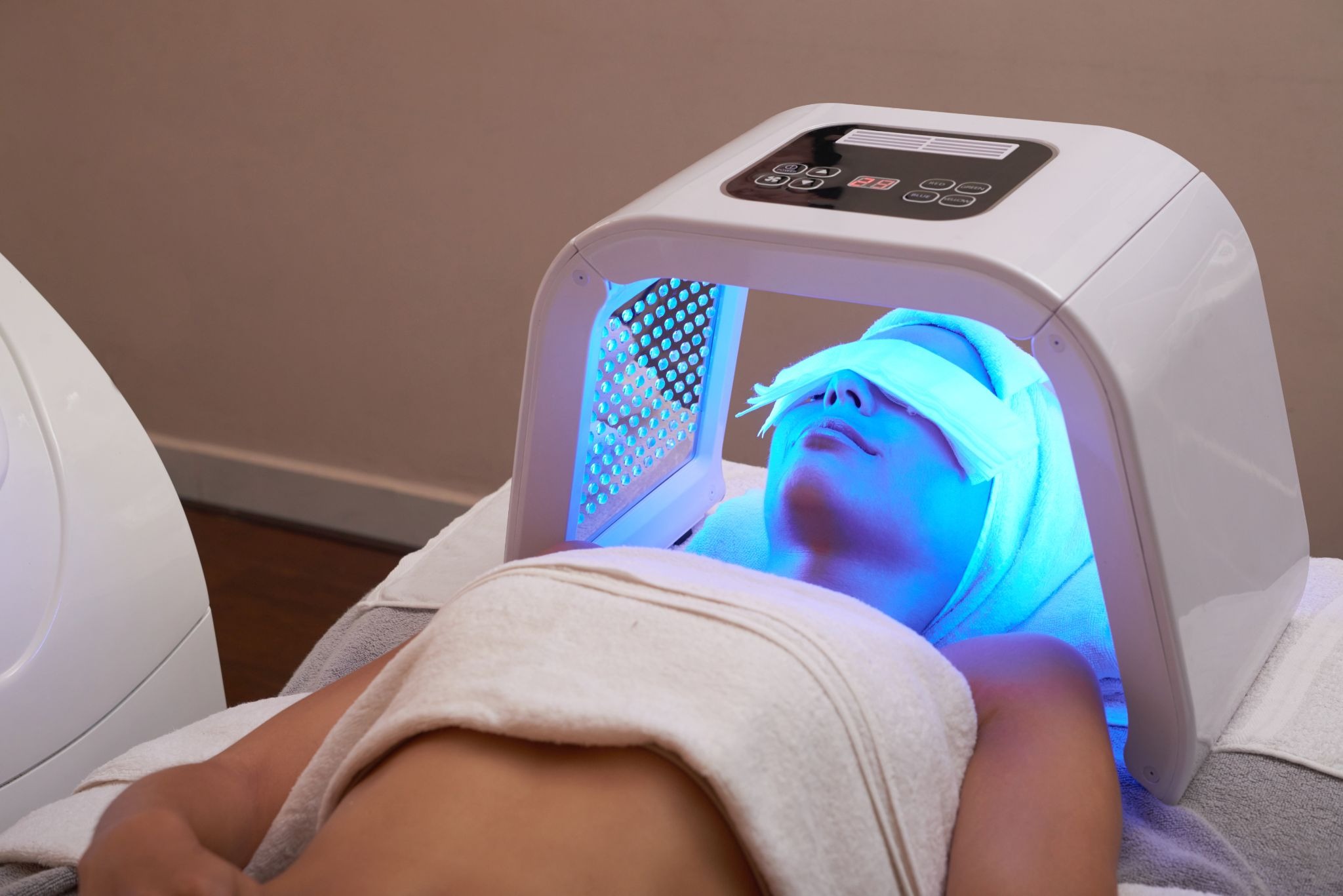
Blue light primarily targets surface-level concerns. It is frequently used to manage acne because it targets acne-causing bacteria. Reducing bacterial populations may help decrease breakouts over time. Many dermatology clinics include blue light treatments in acne care plans. Consistent use often produces better outcomes than occasional sessions.
Near-infrared light penetrates deeper than visible red light. Researchers study it for tissue repair and the management of inflammation. Some evidence suggests it may support healing and recovery processes. Healthcare providers sometimes use this wavelength in combination with red light. The combination may produce complementary effects.
Green and yellow wavelengths receive less attention but are still available on some devices. Green light may help address concerns about uneven pigmentation. Yellow light is often associated with calming redness and supporting circulation. Research remains more limited compared with red and blue wavelengths. However, some users report noticeable improvements after consistent treatments.
Aging skin remains one of the most common reasons people seek LED treatments. Fine lines, wrinkles, and loss of firmness often become concerns over time. Many consumers want alternatives to invasive cosmetic procedures. Research suggests LED therapy may offer meaningful support for skin rejuvenation.
Collagen provides structure and firmness to the skin. Natural collagen production decreases with age. Red light therapy may stimulate processes involved in collagen production. Increased collagen support can improve skin texture and elasticity. Results usually appear gradually over several weeks or months.
Many studies report improvements in visible signs of aging. Users often notice smoother skin after completing a treatment series. Fine lines may appear softer as skin quality improves. Deep wrinkles often require additional treatment. LED therapy works best as part of a broader skincare strategy.
Acne affects people across many age groups. Breakouts can influence confidence and overall skin health. Traditional treatments may cause dryness or irritation for some individuals. LED therapy offers a non-invasive alternative or complementary option.
Blue light therapy focuses on bacteria associated with acne development. Light exposure can disrupt bacterial activity on the skin. Reduced bacterial levels may lead to fewer breakouts over time. Many users notice gradual improvements with consistent sessions. Results often improve when combined with proper skincare habits.
Acne involves more than just bacterial growth. Inflammation contributes to swelling, redness, and discomfort. Red light therapy may help calm inflammatory responses. Combining red and blue light often addresses multiple acne-related factors. This approach can support clearer and healthier-looking skin.
LED therapy extends beyond acne and anti-aging applications. Researchers continue investigating additional uses across healthcare and wellness fields. Several benefits have been gained through clinical studies. Individual results still depend on treatment consistency and specific conditions.
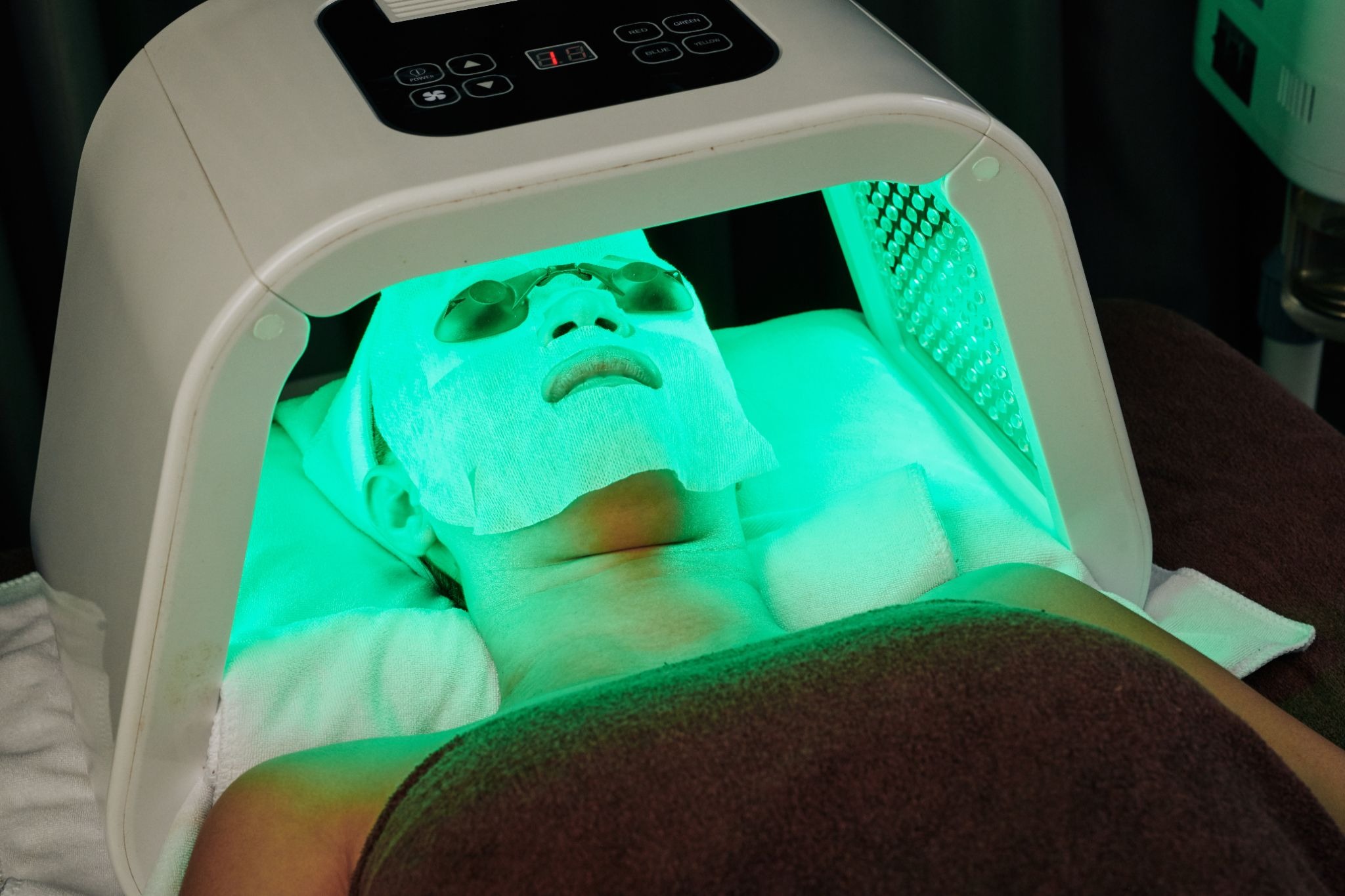
Healthcare professionals have explored LED therapy for wound recovery. Certain wavelengths may promote tissue repair. Improved cellular activity can support healing responses. Some clinical settings incorporate light therapy into treatment plans. Professional supervision remains important for medical applications.
Persistent redness affects many individuals. Irritation-related conditions can affect skin appearance and comfort. LED therapy may help calm inflammatory activity. Some users report a more balanced skin tone after repeated treatments. Improvements often occur gradually rather than immediately.
Many cosmetic treatments create temporary inflammation. Recovery periods can involve redness and sensitivity. Some providers use LED therapy following procedures to support healing. Patients often appreciate the gentle nature of the treatment. The therapy may help reduce downtime after certain procedures.
Consumers can choose between professional services and home-use devices. Each option offers distinct advantages and limitations. Understanding these differences helps people set realistic expectations. Device quality and treatment consistency greatly influence outcomes.
Professional systems often deliver stronger and more precise light output. Providers can customize treatment settings for individual concerns. Clinical environments also offer expert guidance throughout the process. Many people see results more quickly with professional treatments. Treatment plans often combine LED therapy with other skincare services.
Home devices provide convenience and flexibility. Users can incorporate treatments into regular skincare routines. Modern devices offer accessible options for long-term maintenance. Results may take longer because home systems typically operate at lower power levels. Consistency becomes especially important when using at-home equipment.
Marketing materials sometimes create unrealistic expectations. LED light therapy can support skin improvements, but it is not magic. Understanding realistic outcomes helps avoid disappointment. Most benefits develop gradually with regular use.
Some people notice subtle changes within several weeks. More significant improvements often require multiple sessions. Skin renewal processes naturally take time. Regular treatment schedules usually produce better results. Patience remains important throughout the process.
Age, skin condition, and treatment consistency affect outcomes. Device quality also influences effectiveness. Healthy skincare habits can support better results. Professional guidance may improve treatment accuracy. Individual biological differences contribute to varying experiences.
LED light therapy has a strong safety profile. Most people tolerate treatments without major complications. Still, understanding potential risks supports informed decision-making. Following manufacturer instructions remains important for home users.
Side effects are generally mild and temporary. Some individuals experience slight redness after treatment. Mild irritation can occur in sensitive skin types. These reactions often resolve quickly without intervention. Serious complications remain uncommon when devices are used correctly.
People with certain medical conditions should consult healthcare professionals. Light sensitivity disorders may require additional precautions. Individuals taking photosensitizing medications should also seek guidance. Professional evaluation helps determine treatment suitability. Personalized recommendations often improve safety and effectiveness.
Interest in non-invasive skincare continues to increase. Consumers want treatments that fit busy lifestyles and require little downtime. LED technology aligns with those preferences while offering research-supported benefits. Growing accessibility has also contributed to widespread adoption.
Many people prefer treatments without needles or surgery. LED therapy offers a comfortable experience for most users. Sessions usually require minimal recovery time. This convenience appeals to individuals seeking practical skincare options. Demand continues to grow as awareness expands.
Researchers continue exploring new applications for light therapy. Device manufacturers regularly improve technology and treatment capabilities. A better understanding of wavelengths may expand future uses. Continued research helps strengthen confidence in evidence-based applications. Innovation remains a driving force behind industry growth.
Healthy skin rarely comes from waiting for concerns to disappear on their own. LED light therapy continues to gain attention because research supports its ability to address issues such as acne, visible aging, and inflammation. Results vary from person to person, yet consistent treatments often produce noticeable improvements over time. Exploring your options now can help you choose a skincare approach that supports your goals before minor concerns become more difficult to manage.
Your next skincare decision deserves reliable information. Explore the Naples Laser & Skin Aesthetics blog for expert perspectives on treatments, skin health, and aesthetic care.
%402x.svg)